
How to Measure Mahjong Tiles: Size Guide
Understanding how to measure mahjong tiles protects hosts from purchasing cheap, mismatched, or hollow sets that fail tournament regulations. The premium custom collections from ALOXO offer perfectly weighted acrylic elegance to solve these common tabletop inconsistencies with absolute beauty.
To provide complete clarity for the global community of social hosts and seasoned tournament players, this guide establishes five critical sub-intents. First, we explore the material science and physical anatomy of luxury acrylic tile structures. Second, we examine the official dimensional standards required for national tournament play. Third, we verify physical compatibility with racks, pushers, and noise reduction mats. Fourth, we outline a step-by-step calibration procedure to identify measurements for replacement tiles. Finally, we analyze the environmental resilience and stress resistance parameters of high-grade heirloom gaming components.
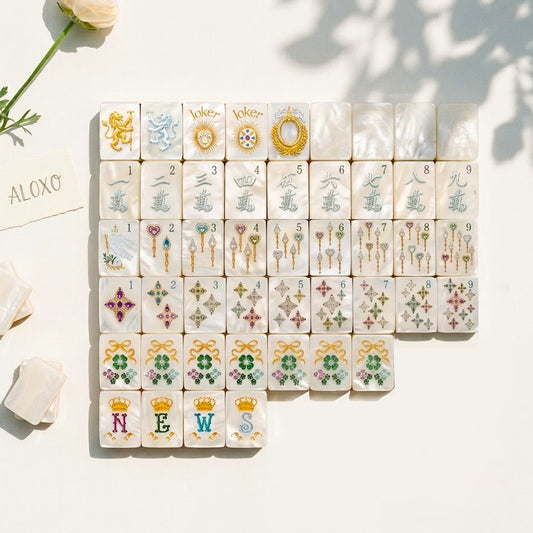
ALOXO Mother-of-Pearl & Gold Mahjong Set (160 Tiles)
Luxury 160-piece NMJL-ready American Mahjong suite engineered with substantial weighted acrylic and iridescent mother-of-pearl backs. Precision hand-engraved and color-filled to deliver the ultimate tactile clack and enduring beauty on your table.
OFFICIAL NMJL COMPLIANCE
VIEW PRODUCT DETAILSTable of Contents
- 1. Understanding Tile Anatomy and Precision Three Dimensional Calibration
- 2. Official Tournament Sizing Specs and the ALOXO Dimensional Standard
- 3. Rack Groove Friction and Mat Compatibility: Large versus Standard Options
- 4. How to Measure Mahjong Tiles: Size Guide to Replacing Lost Pieces
- 5. Material Resiliency and Acoustic Stress Testing of Heirloom Acrylic Tiles
- 6. Frequently Asked Questions about how to measure mahjong tiles
- 7. Elevate Your Tabletop Elegance with ALOXO Luxury Mahjong Collections
1. Understanding Tile Anatomy and Precision Three Dimensional Calibration
Precise calculation of game pieces requires a deep appreciation of material science and structural design. Standard gaming items must maintain exact physical tolerances to prevent players from identifying specific symbols during critical drawing phases. When utilizing a professional mahjong tile dimensions guide, players learn to evaluate the height, width, and depth of each component to ensure flawless balance and uniform performance across the table layout.
Material Origin & Nature
The physical integrity of premium gaming components begins with optical grade cast acrylic. Unlike mass produced injection molded plastics, high density cast acrylic undergoes a slow curing process that prevents internal air bubbles and microscopic voids. This structural density ensures that every finished piece carries an identical weight distribution, which is a fundamental requirement for competitive integrity. To elevate the aesthetic experience, premium designs incorporate a beautiful mother of pearl composite backing that is molecularly bonded to the clear acrylic face. This multi layered construction prevents separation during intensive shuffling and maintains a beautiful pearlescent shimmer under any dining room illumination. Understanding these material characteristics helps collectors utilize a detailed mahjong tile thickness guide to distinguish genuine heirloom craftsmanship from cheap alternatives.
Anatomy Breakdown
A complete physical profile of a professional game piece consists of several distinct structural zones that must align perfectly across the entire set:
- The Polished Acrylic Face: A scratch resistant, ultra smooth front surface that displays hand painted engraving lines without glare or distortion.
- The Core Compound Layer: A dense, pigment rich middle section that provides the crucial gravitational weight required for a premium feel.
- The Iridescent Pearl Backing: A shimmering composite material that mimics natural sea shells to create elegant visual depth on the table.
- The Hand Engraved Grooves: Micro milled recesses that hold rich paint pigments securely, preventing fading and chipping during rapid hand shuffling.
Operating Principle
The physics of professional tabletop play rely on tactile feedback and acoustic performance. When premium tiles slide across a noise reduction surface, their low center of gravity prevents tipping and wobbling during the rapid build phases. The dimensional proportion of each piece determines how it interacts with human fingers, allowing players to instantly recognize the orientation of the symbol through touch alone. Furthermore, the acoustic resonance, often described as the perfect clack, is direct evidence of dense material composition. High density acrylic absorbs hand moisture and resists yellowing under ultraviolet exposure, ensuring that the visual and physical properties remain completely unchanged over decades of social gatherings.
2. Official Tournament Sizing Specs and the ALOXO Dimensional Standard
Tournament officials enforce strict dimensional requirements to ensure that every participant plays with an equal physical advantage. Standardizing the geometry of the game pieces prevents tactical manipulation and guarantees that all tiles fit neatly on standard presentation devices. By reviewing the nmjl tile requirements size weight regulations, collectors can verify that their personal equipment meets the rigorous standards established by national gaming organizations.
| Set Name / Accessory | Tile Dimensions & Weight | Material & Backing Style | Price Quote / Ideal Play Scenario |
|---|---|---|---|
| ALOXO Mother-of-Pearl & Gold Suite | 30mm x 23mm x 13mm | 31 grams | Cast Acrylic with Shimmering Gold Dust | $385.00 | Timeless Family Heirloom |
| ALOXO Sorbet Hot Pink Edition | 30mm x 23mm x 13mm | 30 grams | High Gloss Pink Resin with Floral Engravings | $365.00 | Lively Social Club Nights |
| ALOXO Pearl Cat Luxury Collection | 30mm x 23mm x 13mm | 31 grams | Weighted Acrylic with Pearl White Coating | $385.00 | Sophisticated Collector Gift |
| ALOXO Classic Travel Size Set | 24mm x 18mm x 11mm | 18 grams | Compact Lightweight Molded Resin | $145.00 | Poolside and Vacation Travel |
| ALOXO Pearl Shell Rack Suite | 18 inches Length x 3.2 inches Width | Acrylic with Hand Finished Shell Inlay | $125.00 | Professional Tournament Setup |
| ALOXO Pink Floral Dampening Mat | 32 inches x 32 inches | 3mm Thickness | Non Slip Neoprene with Soft Polyester Face | $75.00 | Apartment Living Noise Reduction |
| ALOXO Floral Travel Bag Combo | 20 inches x 10 inches x 4 inches | Waterproof Vegan Leather with Velvet Lining | $110.00 | Mobile Club Hosting Convenience |
| ALOXO Natural Gemstone Dice Set | 16mm x 16mm x 16mm | 8 grams | Hand Cut Rose Quartz and Amethyst | $45.00 | Aesthetic Styling Enhancement |
| ALOXO Custom Monogram Mat | 32 inches x 32 inches | 3mm Thickness | Custom Sublimated Rubber Composite | $95.00 | Personalized Milestone Gift |
| ALOXO Clear Window Carry Case | 21 inches x 11 inches x 5 inches | Reinforced Acrylic with Brass Hardware | $130.00 | Secure Display and Storage |
Core Specs Analysis
To guarantee compliance with modern league standards, every complete game set must feature exactly 160 tiles. This specific count includes the necessary flowers, jokers, and blank spares required to execute advanced American strategies. When verifying dimensions, a standard tournament tile must align with a detailed mahjong tile weight standards guide to ensure each piece weighs between 30 and 31 grams. This weight profile provides the perfect tactile resistance during shuffling and wall building, preventing the accidental flipping of tiles that can compromise game progression. Investing in certified tournament equipment ensures that your weekly practice sessions translate perfectly to professional tournament tables without physical adjustment.
Budget-based Consulting
For casual players hosting small gatherings, a standard premium set paired with a protective travel bag offers an excellent entry point into high quality play. This combination provides professional grade tile physics and basic protection at a highly accessible investment level. Conversely, dedicated tournament hosts and collectors seeking the ultimate tabletop aesthetic should choose the complete heirloom collection. This comprehensive package combines 160 weighted acrylic pieces with matching pearl shell racks and custom noise reduction mats. This all inclusive layout creates a stunning focal point for any social room while protecting polished wooden tables from accidental scratch marks.
Cost-per-Use Formula
While high quality cast acrylic sets demand a higher initial investment, their long term financial value easily surpasses cheap plastic alternatives. Consider a basic mass market set purchased for eighty dollars that begins to fade, chip, or warp within twelve months of consistent play. Replacing these lower grade options every season quickly compiles significant expenses over time. In contrast, an ALOXO heirloom set priced at three hundred and eighty five dollars is designed to withstand decades of intensive use. Over a ten year period of weekly gatherings, the total cost breakdown drops to less than one dollar per game, proving that authentic craftsmanship is the most economical path for serious enthusiasts.
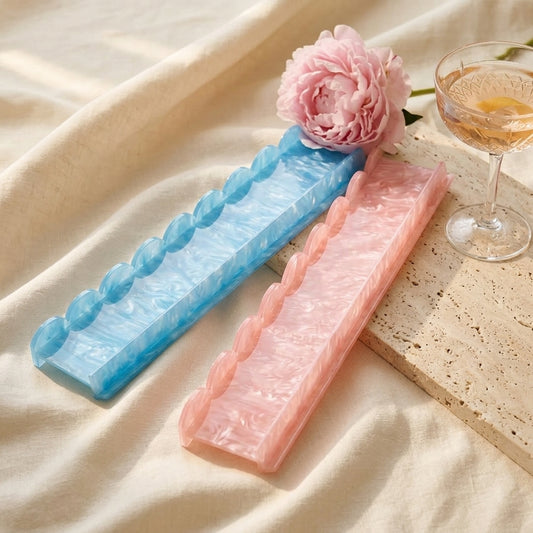
ALOXO Pearl Shell Mahjong Racks with Integrated Pushers
Handcrafted pearl shell finish provides seamless aesthetic harmony for luxury Mahjong gatherings. Sturdy construction and smooth magnetic pusher glide protect fine table finishes while keeping your tile rows impeccably organized.
TIMELESS SHIMMER & ELEGANCE
VIEW PRODUCT DETAILS3. Rack Groove Friction and Mat Compatibility: Large versus Standard Options
The relationship between game pieces and table accessories determines the overall comfort and fluidity of play. When tiles are poorly matched to rack dimensions, they can bind, tilt forward, or slip out of position during intense strategic movements. Investigating a guide on how to pick weighted mahjong tiles ensures that your chosen set integrates perfectly with standard display equipment to eliminate irritating disruptions during play.
| Comparison Criteria | ALOXO Luxury Acrylic Solution | Mass-Market Plastic Solution |
|---|---|---|
| Weight Consistency | Flawless weight matching at 31 grams per tile | High variance with hollow center structures |
| Tactile Feel | Silky polished surfaces with rounded edges | Rough molded seams with sharp plastic burrs |
| Engraving Precision | Deep computer numerical control micro engraving | Shallow surface stamping prone to quick fading |
| Acoustic Performance | Solid satisfying clack sound profile | High pitched hollow plastic tapping noise |
| Rack Fitment | Perfect alignment in standard 13mm channels | Frequent binding and falling from wooden slots |
| Backing Resilience | Double layer molecularly bonded pearl composite | Thin glued on plastic sheets that peel off |
| Color Permanence | UV resistant pigments sealed in deep grooves | Cheap surface ink that rubs off during play |
| Long-Term Value | Passes down as an heirloom to future generations | Requires frequent complete replacement cycles |
Hand-Engraved Acrylic vs Printed Bakelite/Plastic
The tactile sensation of moving pieces across the table is a fundamental component of the classic American variant. Cheap printed plastic or Bakelite tiles often feature shallow surface printing that quickly rubs off under the friction of persistent hand contact. Additionally, these lesser materials are highly susceptible to scratch marks that can inadvertently mark specific tiles for observant players. To understand the profound structural differences between modern materials, players often consult a guide on thick vs thin mahjong tiles. High density cast acrylic with deep computer guided micro engravings provides a permanent, beautiful design that will never wear down, ensuring complete fairness and beauty for thousands of games.
Integrated Acrylic Pushers vs Wood Racks
Traditional wooden racks often feature uneven slot depths and rough, unpolished grooves that can trap dust and scratch delicate acrylic tiles over time. Furthermore, wooden pushers can warp under high humidity, creating friction that impedes a smooth wall transition. Premium acrylic racks with integrated brass hardware and smooth pushers eliminate these physical issues completely. Designed with polished channels that perfectly match the standard thirteen millimeter depth of tournament pieces, these modern accessories allow for effortless movement and perfect organizational alignment, elevating the professionalism of your home gaming events.
4. How to Measure Mahjong Tiles: Size Guide to Replacing Lost Pieces
When a single piece is misplaced from a cherished family collection, finding a replacement that matches the exact physical specifications of the remaining set is vital. Minor deviations of even half a millimeter can make a replacement tile instantly recognizable when lined up in a rack or built into a wall. By mastering the use of a precision caliper and understanding a comprehensive large vs standard mahjong tiles comparison, collectors can source perfect replacements to restore their favorite sets to pristine playing condition.
Before starting the measurement procedure, ensure you have gathered all necessary tools and table essentials. You will need a digital or vernier caliper capable of sub millimeter accuracy, a flat measuring surface, a soft cleaning cloth, and a notebook to document your findings. Avoid using standard flexible tape measures or wooden school rulers, as these tools lack the precision resolution required to identify subtle manufacturing variances.
Step 1: Selecting and Zeroing the Calibration Tools
The foundation of accurate dimension gathering is a high quality digital vernier caliper. Standard measuring tapes and flexible rulers are entirely unsuitable for identifying the sub millimeter differences that exist between various manufacturers. Place your digital caliper on a completely flat, stable surface under bright lighting to avoid visual errors. Open the measuring jaws fully to inspect the contact surfaces for any debris, dust, or residual manufacturing oil that could skew the reading. Close the jaws completely and press the zero calibration button, ensuring the display reads exactly zero point zero zero millimeters. Verify that the unit of measurement is set to metric millimeters, as this is the global industry standard for technical recreation manufacturing.
Step 2: Measuring the Height of the Tile Body
Place a standard, unworn tile from your set flat on its back on a clean microfiber cloth. Open the primary jaws of your calibrated caliper wider than the total length of the tile body. Carefully guide the flat measuring surfaces of the jaws to contact the extreme top and bottom edges of the tile, maintaining perpendicular alignment to prevent diagonal errors. Gently tighten the thumb screw of the caliper until the jaws make firm, flush contact with both ends of the acrylic block without applying excessive pressure that could flex the tool. Read the digital display and record the measurement to the nearest hundredth of a millimeter, then repeat this process with three other random tiles to establish a highly accurate average height value.
Step 3: Calibrating the Width and Lateral Uniformity
Rotate the tile ninety degrees to prepare for the horizontal calibration phase. Position the caliper jaws across the lateral edges of the piece, ensuring the contacts align perfectly with the middle section of the side walls. Slide the jaws closed until they seat squarely against the polished acrylic sides, taking care not to measure across any raised hand painted borders or corner bevels. Document the width measurement in your logbook, noting that standard tournament pieces typically display a width of twenty three millimeters. Verify this measurement across several different suits, including characters, bams, and dots, to ensure that manufacturing tolerances remain completely consistent throughout the entire tile selection.
Step 4: Assessing the Depth and Thick-vs-Thin Shimmer Layer
Turn the tile onto its side edge to expose the depth profile, which includes the clear acrylic face and the beautiful mother of pearl backing. Place the caliper jaws across the front polished face and the rear shimmering backplate, maintaining a perfectly level angle of attack. Carefully close the measuring jaws until they touch the center of both faces, recording the resulting depth reading in your notes. Standard luxury tiles generally measure thirteen millimeters in depth to provide a satisfying, substantial feel when held in the hand. Examine the thickness of the backing layer separately to confirm if your set features a thick or thin backing design, which is crucial for matching the visual aesthetic of replacement pieces.
Step 5: Matching Replacement Tiles and Testing Rack Slot Fit
Take your final average measurements (Height x Width x Depth) and cross reference them with the official product specifications provided by the manufacturer. If you are sourcing replacements from an independent vendor, request a certified dimensional print to verify compatibility down to the half millimeter level. Once the potential replacement tile arrives, place it directly into the center of a standard premium rack to verify the slot fitment. The piece should slide smoothly into the groove without binding or showing excess play, and its face angle should align perfectly with the adjacent original tiles. Check the clacking acoustic resonance and weight matching on a quiet mat to ensure complete physical harmony before integrating the new piece into your active weekly games.
5. Material Resiliency and Acoustic Stress Testing of Heirloom Acrylic Tiles
A true heirloom set must be engineered to endure the physical demands of endless social gatherings, weekend travel, and multi generational play. Understanding the structural properties that make a premium set successful requires a deep look into material standards. When purchasing a set, checking resources like a guide on