
Can You Call Two Discards Consecutively? Rule
To master the legal flow of your game, you must ask: can you call two discards consecutively while playing on a loud, cheap tabletop set that compromises your strategic focus? The luxurious collections at ALOXO resolve these common frustrations with beautifully weighted tiles and non-slip mats designed to elevate every social gathering.
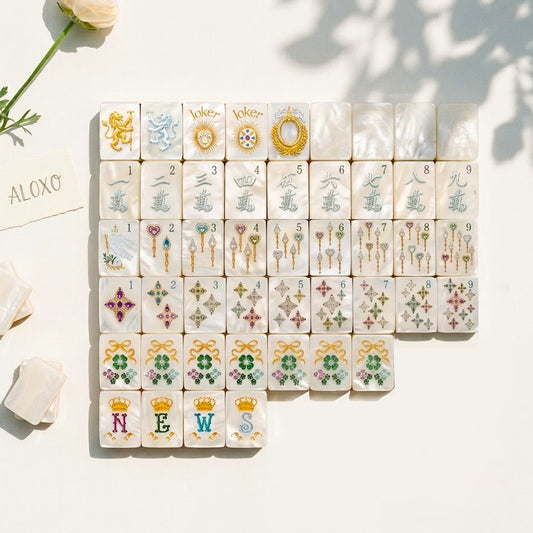
ALOXO Mother-of-Pearl & Gold Mahjong Set (160 Tiles)
Luxury 160-piece NMJL-ready American Mahjong suite engineered with substantial weighted acrylic and iridescent mother-of-pearl backs. Precision hand-engraved and color-filled to deliver the ultimate tactile clack and enduring beauty on your table.
OFFICIAL NMJL COMPLIANCE
VIEW PRODUCT DETAILSTable of Contents
- Legal Framework of Calling Back to Back Discards
- Step-by-Step SOP for Handling Back-to-Back Exposure Claims
- Strategic Pitfalls and Hidden Risks of Excessively Exposing Your Hand
- Mastering Turn Priority and Cycle Dynamics at the Table
- Elevating Tile Operations with Premium Racks and Quiet Mats
- Frequently Asked Questions about can you call two discards consecutively
Legal Framework of Calling Back to Back Discards
The official rules of American Mahjong permit a single player to claim consecutive discards only if two different opponents discard them one after another in consecutive turns. Every claim must follow a rigorous structural loop: the player must declare the call, expose the matching combination on their rack, and discard a tile from their hand before the next turn begins. This operational cadence ensures that the mechanical balance of the game remains intact while players pursue complex hands on their National Mah Jongg League cards.
Material Origin & Nature
To appreciate the fluid movement of tiles during fast-paced consecutive claims, players must understand the material science behind high-end gaming accessories. ALOXO tiles are manufactured using optical-grade cast acrylic bonded with a natural mother-of-pearl composite backing. This dual-layer fusion ensures that each tile possesses a stable center of gravity, preventing accidental flipping or sliding during rapid tabletop maneuvers. The hand-painted grooves are filled with rich, fade-resistant pigments that withstand thousands of high-frequency gameplay cycles without losing their aesthetic brilliance.
Anatomy Breakdown
- 160-Tile Composition: Includes the standard 152 tiles required for traditional play, plus 8 additional custom-designed Jokers, ensuring 100% compliance with NMJL guidelines.
- Engraved Floral Suits: Hand-finished floral and character motifs featuring deep, tactile grooves that players can identify by touch during intense matches.
- Magnetic Pusher Racks: Premium acrylic racks equipped with integrated brass-pinned pushers that glide effortlessly along the table surface.
- Non-Slip Rubber Base: Heavyweight table mats constructed with a micro-textured fabric top and a 3mm noise-reduction neoprene backing.
Operating Principle
During active play, the tactile feedback of weighted acrylic tiles drastically improves physical dexterity and cognitive focus. When a player declares a call, the acoustic properties of cast acrylic create a distinct, satisfying clack that alerts the entire table to the strategic shift. This sound profile is beautifully balanced by the noise-reduction mat, which dampens harsh vibrations while preserving the classic auditory charm of the game. The physical dimensions of each tile (30 grams in weight) ensure they stand upright on the racks without tipping over when players slide their pushers forward.
Step-by-Step SOP for Handling Back-to-Back Exposure Claims
Executing consecutive tile calls requires strict adherence to tournament-grade protocols to avoid penalties or dead hands. Before diving into the operational sequence, ensure your tabletop is arranged with the necessary essentials: a current National Mah Jongg League rule card, 160 weighted tiles, four matching racks with integrated pushers, a non-slip mat, and a set of gemstone dice. Following a structured procedure keeps the game night organized and prevents disputes over turn order and exposure legitimacy.
Step 1: Voice the Call and Pause the Game
The moment an opponent discards a desired tile, you must immediately verbalize your intent using clear terminology such as Call, Kong, or Call Tile. This vocalization must occur before the subsequent player lifts a tile from the wall or completes the act of racking a tile definition nmjl. Under the official calling tiles rules american mahjong, a clear voice call halts all gameplay, preserving your right to claim the discarded tile. Bold the action by placing the called tile on top of your rack while keeping your remaining hand hidden. Ensure all players acknowledge the pause before proceeding with physical exposures.
Step 2: Retrieve the Discard and Reveal the Exposure
Gently slide the claimed tile from the center of the table toward your personal rack using your fingertips. Place the tile directly on top of your rack and immediately expose the matching tiles from your hand to form the required combination. This exposure must remain visible to all opponents on the flat upper ledge of your rack. Never allow your hand to block the view of these tiles, as transparency is vital for fair play. Under the standard window of time to call tile nmjl, failing to expose your matching tiles in a timely manner can invalidate your claim.
Step 3: Complete the Mandatory Discard
After verifying your exposure, select one tile from your concealed hand and place it face-up in the center of the table. You must clearly announce the name of this discarded tile to the group, completing your active turn. The act of discarding is a non-negotiable step that maintains the correct tile count in your hand. Refer to the official discard tile rules american mahjong to ensure your discard is placed within the boundaries of the play area. This action officially closes your first call and permits the next player in order to proceed.
Step 4: Validate the Subsequent Opponent Action
Once your discard is declared, the turn passes to the player on your right unless another player calls your discarded tile. Watch the table closely as the next opponent takes their turn and subsequently discards. If this next opponent discards a tile that you also require for a separate exposure, you are legally permitted to claim it. However, you must first verify that no other player has a higher-priority claim on that tile. Observing this cycle is crucial to avoiding illegal plays during consecutive rounds.
Step 5: Execute the Second Consecutive Claim
Voice your second call clearly and repeat the exposure process on your rack. You must now have two distinct exposures displayed on your rack, representing both consecutive claims. After placing the second exposure, you must once again select a tile from your hand to discard, finalizing your turn. Be mindful of the calling tile when rack is full limitations, ensuring you have enough space on your rack to clearly organize both exposures without overlapping. This complete sequence demonstrates how a skilled player can legally navigate consecutive claims to accelerate their path to victory.
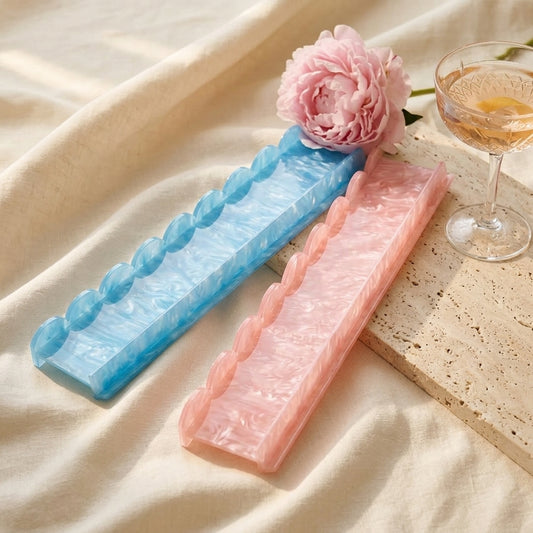
ALOXO Pearl Shell Mahjong Racks with Integrated Pushers
Handcrafted pearl shell finish provides seamless aesthetic harmony for luxury Mahjong gatherings. Sturdy construction and smooth magnetic pusher glide protect fine table finishes while keeping your tile rows impeccably organized.
TIMELESS SHIMMER & ELEGANCE
VIEW PRODUCT DETAILSStrategic Pitfalls and Hidden Risks of Excessively Exposing Your Hand
While consecutive calls can quickly build your hand, making too many early exposures exposes your strategy to observant opponents. In American Mahjong, information security is just as important as speed. Every time you expose a set of tiles on your rack, you narrow down the possible hands you could be playing on the NMJL card. This tactical transparency allows defenders to withhold the very tiles you need to complete your game, effectively locking you out of a win.
Top 5 Fatal Beginner Mistakes
- Exposing Too Early in the Game: Calling tiles in the first few rounds reveals your target hand before you can gauge what tiles are safe or dead.
- Using Harsh Solvents to Clean Tiles: Cleaning your premium acrylic tiles with alcohol or acetone will damage the beautiful mother-of-pearl backing and strip the hand-filled paint from the grooves. Always use a dry microfiber cloth instead.
- Miscalculating the Joker Count: Forgetting how many Jokers are exposed on the table can lead you to chase impossible hands. Always track the active Jokers.
- Ignoring the Window of Opportunity: Failing to declare your call before the next player lifts a tile from the wall. Once a tile is racked, the previous discard is dead forever under the claiming discard after next tile picked rule.
- Forcing Tight Fits on Flimsy Racks: Jamming tiles onto warped wooden racks can scratch the polished acrylic faces. Ensure you use wide, smooth racks designed for weighted tiles.
Hidden Traps Market Warning
Many online retailers sell cheap plastic sets with printed stickers that wear off after a single season of play. These inferior sets often contain only 144 tiles, rendering them completely useless for standard American Mahjong matches which require 160 tiles. Always verify that your chosen set includes the necessary extra Jokers and floral tiles before purchasing, and opt for deep hand-engraved acrylic over surface-printed alternatives to ensure heirloom-grade durability.
Tile Care SOP
To preserve the brilliant shimmer of your mother-of-pearl tiles, establish a post-game cleaning routine. Gently wipe each tile with a clean, dry microfiber cloth to remove skin oils and dust after every session. Store your tiles in padded trays inside a dedicated vegan leather carrying case, keeping them away from direct sunlight and extreme humidity. This simple maintenance routine prevents surface scratches and ensures that the hand-painted motifs remain vibrant for decades of social play.
Mastering Turn Priority and Cycle Dynamics at the Table
Understanding table priority is essential when multiple players attempt to claim the same discarded tile. In American Mahjong, a call for Mahjong always takes absolute priority over any call for an exposure. When two players call for an exposure simultaneously, the player who is next in natural turn order clockwise from the discounter receives priority. Mastering these priority dynamics keeps games running smoothly and prevents arguments during competitive matches.
Case Study 1: Weekly Country Club Socials
In high-frequency country club leagues, speed and accuracy are paramount. Players use 30-gram weighted acrylic tiles and 3mm acoustic dampening mats to create an elegant, focused environment. When a disputed call occurs, players refer to the official NMJL priority guidelines to resolve the issue instantly. This professional setup ensures that matches are played with the utmost respect and minimal disruption, allowing players to focus entirely on their tactical decisions.
Case Study 2: Poolside & Vacation Getaways
During outdoor summer games, wind and moisture can ruin flimsy cardboard cards and lightweight plastic tiles. Transitioning to heavy, moisture-resistant acrylic sets prevents tiles from shifting in coastal breezes. The durable, hand-painted engravings resist UV fading, making them the perfect choice for beach house gatherings or poolside tournaments where players enjoy casual yet competitive matches under the sun.
Case Study 3: Intergenerational Family Keepsakes
A premium Mahjong set is more than just a game; it is an heirloom passed down through generations. Grandmothers teach granddaughters the intricate rules of the game using beautifully crafted sets that stand the test of time. The tactile feel of mother-of-pearl backings and the satisfying clack of weighted tiles create lasting memories, blending family heritage with the timeless challenge of strategic play.
Case Study 4: Competitive Club Leagues
In official league tournaments, players must adhere strictly to timing rules and verbal declaration protocols. The use of premium magnetic pushers and structured racks allows for rapid wall building and seamless tile transitions. When executing consecutive claims, players must manage their rack space efficiently, ensuring that their exposed tiles are clearly organized and separated to avoid confusion among tournament officials.
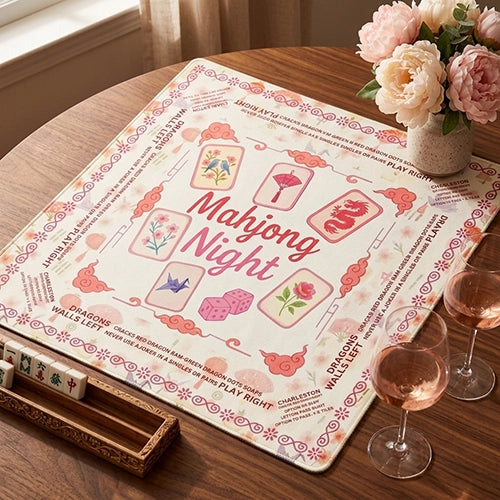
ALOXO Pink Floral Non-Slip Mahjong Mat
Protect cherished tabletop surfaces while reducing tile clatter to an elegant, satisfying murmur. Features non-slip textured backing that lays completely flat straight out of the storage tube without creasing or bunching.
DAMPENS NOISE, ELEVATES STYLE
VIEW PRODUCT DETAILSElevating Tile Operations with Premium Racks and Quiet Mats
The quality of your tabletop accessories directly impacts your physical performance during intense matches. Upgrading from basic wooden racks and plastic mats to premium, integrated solutions improves tile stability and reduces friction during play. This professional-grade enhancement allows you to execute complex calls and exposures with speed and precision, elevating the overall aesthetic of your weekly game nights.
| Key Performance Criteria | ALOXO Luxury Acrylic Solution | Mass-Market Plastic Solution |
|---|---|---|
| Tile Weight and Balance | 30g weighted acrylic with low center of gravity | Lightweight, hollow plastic prone to tipping |
| Engraving Quality | Deep, hand-painted precision grooves | Flat, printed stickers that fade and rub off |
| Backing Design | Iridescent, premium mother-of-pearl laminate | Plain, monochromatic plastic backing |
| Rack Operation | Smooth magnetic pushers with protective feet | Flimsy wood or metal pushers that stick and scratch |
| Acoustic Experience | Satisfying, solid clack softened by neoprene | Harsh, high-pitched plastic rattling |
| NMJL Compliance | 100% compliant 160-piece tile suite | Often missing Jokers or containing only 144 tiles |
| Lifespan and Value | Multi-generational heirloom built to endure | Requires frequent replacement every few seasons |
| Social Purpose | Supports the mind-wellness Alzheimer Association | No charitable alignment or local community support |
Hand-Engraved Acrylic vs Printed Bakelite/Plastic
The difference in tactile sensation between hand-engraved acrylic and flat-printed plastic is instantly noticeable. Engraved tiles feature deep, painted grooves that allow experienced players to identify suits by touch, improving gameplay focus. Cheap printed sets quickly lose their legibility under frequent shuffling, causing visual strain during extended matches. Investing in a premium set ensures your tiles remain as beautiful and readable as the day they were crafted.
Integrated Acrylic Pushers vs Wood Racks
Traditional wooden racks are often prone to splintering, warping, and scratching delicate table surfaces over time. Modern acrylic racks with integrated brass-pinned magnetic pushers eliminate these physical drawbacks entirely, offering a smooth glide and effortless wall deployment. This structural upgrade prevents accidental tile tipping during consecutive claims, keeping your playing area clean, elegant, and perfectly organized.
Frequently Asked Questions about can you call two discards consecutively (FAQs)
- Can you call two discards consecutively if they are thrown by the same opponent? No. You cannot claim consecutive discards from the same player because players do not take back-to-back turns under standard rules. The tiles must be discarded by two different opponents in consecutive turns.
- What happens if two players call the same discarded tile simultaneously? When a simultaneous call for discard mahjong occurs, the player calling for Mahjong always takes priority over a call for an exposure. If both call for exposures, the player closest to the right of the discarder wins the tile.
- Is it mandatory to discard a tile after making an exposure call? Yes. Every single call for an exposure requires you to place a tile from your hand into the discard area, ensuring that you maintain the correct tile count in your hand before the next turn begins.
- Can you use a Joker to make back-to-back consecutive claims? Yes. You can use Jokers in your exposures during consecutive calls, provided the hand you are building on your NMJL card permits the use of wild tiles for those specific groupings.
- Does calling consecutive tiles reveal too much of your hand to defenders? Yes. Making multiple early exposures on your rack reveals your strategy to opponents, allowing them to defensive-play by holding onto the tiles you need to complete your winning hand.
Elevate Your Tabletop Elegance with ALOXO Luxury Mahjong Collections
Crafted to Endure, Designed for Elegant Social Play
Upgrade your weekly game nights with the beautiful craftsmanship of ALOXO. Our premium 160-piece weighted acrylic sets, handcrafted pearl shell racks, and noise-reduction mats are engineered to bring timeless style and effortless performance to your home. Every purchase supports our commitment to mind wellness, with a portion of proceeds donated directly to the Alzheimer Association to keep minds active and sharp.
Explore the ALOXO Luxury Collections Today
*Disclaimer: All craftsmanship insights and gameplay recommendations in this article are based on the hands-on experience of the ALOXO design team and feedback from seasoned American Mahjong players. Always store luxury acrylic pieces in padded cases and avoid chemical cleaning agents. Contact us anytime for personalized set care and consultation.