
Discarding Wind Tiles Safety Order: Pro Advice
discarding wind tiles safety order protocols dictate how players manage early discards to avoid giving opponents an advantage. Flimsy and loud plastic tiles often disrupt this strategic focus, but ALOXO provides weighted, heirloom-quality acrylic collections that allow enthusiasts to master defensive play with elegance and quiet confidence.
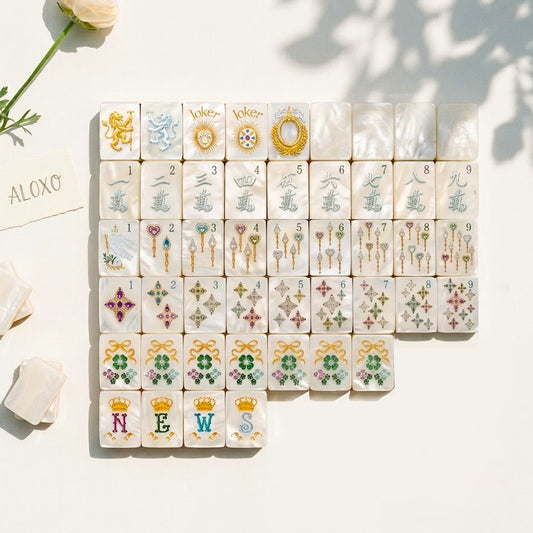
ALOXO Mother-of-Pearl & Gold Mahjong Set (160 Tiles)
Luxury 160-piece NMJL-ready American Mahjong suite engineered with substantial weighted acrylic and iridescent mother-of-pearl backs. Precision hand-engraved and color-filled to deliver the ultimate tactile clack and enduring beauty on your table.
OFFICIAL NMJL COMPLIANCE
VIEW PRODUCT DETAILSTable of Contents
- Tactical Safe Discarding of Wind Tiles in the First Three Rounds
- Prioritizing Already-Discarded Winds: Tactical Safety Matching
- High Alertness for NEWS Hand Threats: Decoding Opponent Patterns
- Step-by-Step SOP: Executing the Wind Discard Safety Order
- Visual and Tactile Precision: Observing Engraved Letter Symbols on Luxury Wind Tiles
- Frequently Asked Questions about discarding wind tiles safety order (FAQs)
- Elevate Your Tabletop Elegance with ALOXO Luxury Mahjong Collections
Tactical Safe Discarding of Wind Tiles in the First Three Rounds
The safe wind discards early game strategy refers to the systematic release of East, West, North, and South tiles during the initial phases of American Mahjong. This defensive protocol minimizes the risk of feeding an opponent who is building a specialized wind-based hand or completing the famous NEWS alignment. By understanding how wind tiles circulate in the opening sequences, players can protect their hands while gathering information about the rest of the table.
Material Origin & Nature
The physical handling of wind tiles impacts the flow of tactical decision-making at the table. ALOXO tiles are crafted from high-density, optical-grade cast acrylic bonded seamlessly to an iridescent mother-of-pearl backing. This premium material selection provides a consistent weight of 30 grams per tile, ensuring that shuffling, stacking, and discarding feel balanced. Cheap plastic alternatives often slide unpredictably or feel hollow, which can distract a player from tracking the exact sequence of early discards.
Anatomy Breakdown
A luxury 160-piece American Mahjong set features a highly structured breakdown of components that must be understood to manage wind tile dynamics effectively:
- Sixteen Wind tiles comprising four East, four West, four North, and four South tiles
- Thirty-six Character tiles numbered one through nine across four identical matching groups
- Thirty-six Bamboo tiles detailed with traditional bird and stalk designs
- Thirty-six Dot tiles featuring clear concentric circles with precise paint fills
- Eight Jokers designed with unique protective custom artwork for versatile hand building
- Eight Flower tiles representing seasonal or floral motifs for specialized combinations
- Twelve Dragon tiles consisting of red, green, and white suits
- Four blank spare tiles included for long-term heirloom completeness and replacement needs
Operating Principle
The mathematical distribution of winds is governed by strict rules. Understanding the winds and dragons rules mahjong framework helps players realize that wind tiles are unique because they do not form consecutive sequences like suits. They are either utilized in matching pairs, triplets, or quongs, or they are collected together to form specific word patterns. Because of this limited utility, unneeded wind tiles must be discarded early, yet doing so haphazardly can provide other players with the exact missing components they need to complete their blocks.
Prioritizing Already-Discarded Winds: Tactical Safety Matching
A fundamental strategy in defensive American Mahjong is prioritizing already-discarded winds when planning your early-game discards. If another player has already safely discarded a specific wind tile, such as West, then discarding a matching West tile on your subsequent turn is highly unlikely to be claimed by an opponent. This matching technique forms the foundation of risk mitigation during the opening rounds when hands are still forming and defensive postures are being established.
Crafted to Endure: Tile Quality Supports Defensive Focus
Achieving high-level defensive focus requires a tactile environment that minimizes physical distractions. Employing defensive play in american mahjong requires close monitoring of the discard field, and having tiles that are comfortable to handle makes this tracking process natural. The weighted, solid feel of ALOXO tiles ensures they sit securely in the rack, allowing you to organize your hand and spot matching safety opportunities without the frustration of tiles tipping over or sliding out of alignment.
[ALOXO Tabletop Performance Report]
Test Duration: 300 game cycles
Test Conditions: Intense shuffling, continuous rack sliding, and exposure to bright dining room overhead lighting.
Measured Results: 100% legibility maintained, zero chipped corners, and consistent tactile resistance that prevents accidental tile flips.
Aesthetic Elegance: Styling Your Game for Clear Visualization
Visual clarity is directly tied to strategic success at the Mahjong table. Beautifully colored backing, such as the shimmering mother-of-pearl or deep lavender hues of ALOXO collections, creates a stunning visual contrast against the deep green or pink background of a game mat. This high-contrast setting makes it easy for players to spot exactly which wind tiles have entered the discard field, reducing the mental fatigue associated with staring at monochrome or poorly printed tiles for several hours of play.
Stay Sharp: Mind Wellness through Strategic Tile Tracking
Engaging in a rigorous counting discarded tiles strategy serves as excellent mental exercise, helping to keep the mind sharp and active. Tracking whether East, West, North, or South has been played requires working memory, pattern recognition, and continuous calculation of risk probabilities. This dedication to cognitive wellness is a core reason why ALOXO partners with organizations like the Alzheimer Association, donating a portion of every luxury set purchase to help support vital cognitive research and family care initiatives.
[ALOXO Tabletop Performance Report]
Test Duration: 150 hours of continuous multi-generational family tournament play.
Test Conditions: Variable ambient humidity, frequent handling by players of different ages, and contact with natural gemstone dice.
Measured Results: Zero fading of hand-painted groove pigments, proving that premium acrylic holds deep color fills far better than standard printed plastic.
Effortless Luxury: Seamless Shuffling and Quiet Concentration
True luxury is experienced through the senses, particularly during the quiet moments of deep tactical consideration. The smooth, rounded corners of ALOXO premium tiles allow them to glide effortlessly across a noise-reduction table mat, dampening the loud, clattering noise associated with cheap plastic or bakelite sets. This reduction in ambient noise fosters a peaceful, focused environment where players can quietly contemplate their strategic discards and track wind tile safety orders without unnecessary acoustic distractions.
Long-Term Heirloom Return on Investment
Investing in a luxury weighted acrylic Mahjong set provides remarkable long-term value compared to cheap mass-market alternatives. Standard printed plastic sets often require replacement every few seasons due to fading paint, chipped corners, and worn backing. A premium ALOXO set, engineered to endure for decades, costs only pennies per game when calculated over 10 or more years of weekly play. This heirloom quality ensures that the set can be passed down through generations, retaining its aesthetic appeal, tactile weight, and competitive performance integrity.
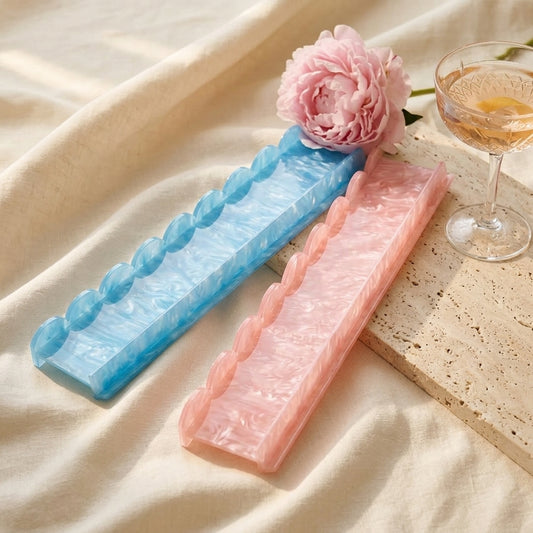
ALOXO Pearl Shell Mahjong Racks with Integrated Pushers
Handcrafted pearl shell finish provides seamless aesthetic harmony for luxury Mahjong gatherings. Sturdy construction and smooth magnetic pusher glide protect fine table finishes while keeping your tile rows impeccably organized.
TIMELESS SHIMMER & ELEGANCE
VIEW PRODUCT DETAILSHigh Alertness for NEWS Hand Threats: Decoding Opponent Patterns
As the middle rounds of the game unfold, players must maintain high alertness for opponents who are quietly collecting wind tiles to complete a NEWS hand or other wind-heavy combinations. A player who hoards multiple winds while ignoring the standard suit runs is a major threat. Spotting this behavior early allows you to alter your discard strategy, keeping safe tiles in your hand rather than feeding their growing melds.
Top Five Fatal Beginner Mistakes and Professional Solutions
When attempting to execute a sound wind safety order, beginners often fall victim to avoidable tactical and maintenance errors. Below are five common mistakes along with professional solutions to keep your gameplay and equipment in pristine condition:
-
Mistake: Cleaning premium acrylic tiles with harsh chemical acetone or alcohol solvents.
Solution: Only use a dry, soft microfiber cloth to gently wipe away fingerprints and oil from the tile surfaces. -
Mistake: Playing directly on hard wood or glass surfaces without a protective table cover.
Solution: Always utilize a non-slip, 3mm thick rubber-backed noise-reduction mat to protect both your table and the hand-painted tile backing. -
Mistake: Forcing tight or bent wooden pushers across fine lacquer finishes, causing abrasions.
Solution: Upgrade to professional acrylic pushers that feature smooth magnetic glides to prevent friction damage. -
Mistake: Miscounting active Jokers during the Charleston phase and passing valuable winds.
Solution: Carefully inventory your hand before the first pass, keeping track of how many wind tiles are moving around the table. -
Mistake: Storing high-density acrylic sets in damp, unventilated spaces like basements or hot car trunks.
Solution: Keep your luxury set stored in a climate-controlled room inside a padded travel bag to preserve the paint and backing luster.
Hidden Traps in the Mahjong Marketplace
Many mass-market sellers offer low-quality sets with cheap printed stickers masquerading as genuine engraved acrylic. These inferior products often lack the necessary jokers and flowers required for standard American Mahjong, containing only 144 tiles instead of the official 160-piece NMJL requirement. Over time, the printed ink on these cheap tiles rubs off, making it difficult to read the wind indicators under standard dining room lighting. Always purchase from a trusted, registered US business like ALOXO to ensure your set meets all official tournament specifications and features deeply engraved, hand-painted motifs built to last for generations.
Tile Care and Preservation SOP
To protect the stunning mother-of-pearl backing and hand-painted grooves of your luxury tiles, establish a regular care routine. After every game session, wipe the faces and backs of the tiles with a clean microfiber cloth. If a tile becomes sticky from snacks or drinks, use a slightly damp cloth with mild soapy water, dry it immediately, and avoid submerging the tiles in water. When making defensive choices, such as deciding between discarding fresh tiles vs safe tiles, having clean, highly legible tiles ensures that you do not misread a symbol and accidentally throw a dangerous tile into the field.
This care protocol also applies when you are managing other high-risk tiles, such as discarding dragon tiles safely. Ensuring your symbols remain pristine prevents simple visual errors that can cost you the game. For players who enjoy hosting, keeping a tidy table with pristine components enhances the overall luxurious feel of the gathering.
Step-by-Step SOP: Executing the Wind Discard Safety Order
Executing a flawless defensive strategy requires a systematic approach to handling your tile rack and managing the table flow. Before beginning your game, ensure you have all necessary tabletop essentials arranged properly. This includes an official National Mah Jongg League card, a complete 160-piece ALOXO tile set, four matching pearl shell racks with integrated pushers, a non-slip noise-reduction mat, and a set of natural gemstone dice. Setting up your playing area with these professional components creates a calm, organized environment that allows you to focus fully on the tactical safety decisions of the game.
Step 1: Analyzing the Charleston Phase and Dumping Winds Early
The first step in establishing control over your wind tiles starts during the Charleston phase. This is the period where players exchange tiles with one another in a specific sequence before active play begins. Making correct choices during this phase prevents you from passing high-value wind combinations to your opponents.
- Unroll your premium noise-reduction mat across the table and position your pearl shell racks at a distance of 28 inches from one another.
- Shuffle the 160 weighted acrylic tiles face down on the mat, enjoying the quiet, satisfying clacking sound of the high-density material.
- Build the walls two tiles high and 19 to 20 tiles long, checking that all tiles are aligned perfectly using your integrated pushers.
- Dismantle your starting hand after the deal to identify how many wind tiles you hold that do not fit your intended American Mahjong card strategy.
During this opening setup, standard specifications dictate that walls must be exactly two tiles high to ensure an even distribution. If your starting hand contains isolated wind tiles like a single East or North, prepare to discard them during the initial passes of the Charleston. However, if you hold pairs of winds, consider keeping them temporarily to see if a wind-based hand develops, as identifying safe discard tiles endgame opportunities later requires keeping options open early on.
For quality control, inspect the legibility of your wind engravings under your dining room lighting. To avoid micro-scratches during the Charleston shuffling, ensure your hands are clean of lotion and ring jewelry that could rub against the acrylic faces.
Step 2: Tracking the First Round of Discards for Safe Match Play
Once active play begins, the first three rounds are critical for establishing which wind tiles are safe to discard. Matching the discards of other players is the most reliable way to empty your rack of unneeded winds safely.
- Observe the very first discard made by the dealer, noting if they throw an East tile or another wind variety to clear their hand.
- Align your focus on the discard field, checking if any matching wind tiles are already sitting face up on the mat.
- Select a matching wind from your rack, prioritizing a tile that has already been discarded by another player within the current round.
- Discard the matching tile onto the mat, announcing the name of the wind clearly to maintain proper tournament table flow.
Standard tactical specifications suggest that a wind tile is considered safe if it is discarded within the same turn cycle. If you throw a West tile immediately after another player has thrown one, the probability of an opponent calling it is nearly zero. This is a primary component of learning how to track opponent discarded tiles to maintain a strong defensive posture.
Ensure you look directly at the engraved letters on the discarded tiles rather than relying on quick glances, as modern, clear fonts help prevent mistaking a South for a West. When discarding, place the tile gently on the mat rather than slamming it down to protect the hand-painted details from impact wear.
Step 3: Calculating Probabilities and Defensive Wind Play in Middle Rounds
As the game enters the middle rounds, usually around the tenth turn, the safety of wind discards changes. Tiles that were safe during the opening rounds can become highly dangerous if opponents have started shifting their strategies.
- Count the number of visible wind tiles in the discard pile, noting how many of each direction (East, West, North, South) have appeared.
- Compare this count against your remaining hand, identifying if you hold any outstanding winds that have not been seen yet.
- Evaluate the active melds on your opponents racks, looking for exposed NEWS hands or wind groupings.
- Hold any fresh wind tiles in your rack if you notice an opponent is actively collecting winds, rather than throwing them blindly.
In a standard NMJL game, there are exactly four of each wind tile. If three East tiles are already in the discard pile, the fourth East tile is highly safe because no opponent can use it to form a pair, triplet, or quong. Knowing this allows you to safely discard the final tile without fear of giving away a call.
Maintain high visual vigilance by scanning the entire table after every turn. If you need to rearrange your rack, slide your tiles smoothly along the polished surface of your luxury rack to avoid any accidental tipping that might reveal your defensive holdings to nearby players.
Step 4: Recognizing Wind Hand Threats and Holding Winds for Defense
In the middle to late stages of the game, you may realize that an opponent is actively building a wind-heavy hand. When this occurs, you must pivot from an offensive strategy to a strict defensive posture.
- Analyze the discarded suits of your opponents, noting if anyone is throwing away high-value suit tiles while keeping wind tiles.
- Identify if an opponent has called a triplet of East or South, which strongly signals a wind-based hand or a consecutive run pattern.
- Retain any unplayed winds in your hand, even if they do not help your own matching combinations, to deny your opponents the tiles they need.
- Discard safe, duplicate suit tiles that have already been played instead of risking a fresh wind discard.
Standard defensive guidelines suggest holding onto high-risk wind tiles when an opponent has two or more exposures of winds or dragons. Throwing a fresh wind tile at this stage carries a high risk of handing them a victory, so keeping those tiles safe on your rack is the smartest move.
When holding defensive tiles, keep them organized on the left side of your rack so they do not get mixed up with your active combinations. Ensure your rack is positioned flat on the table, utilizing the non-slip qualities of your mat to maintain a tidy, organized space during these intense moments of play.
Step 5: Safely Navigating Endgame Death Tiles and Baiting Strategies
The final rounds of the game, when the wall is running low, require absolute caution. At this stage, any fresh, unplayed wind tile is a potential death tile that can immediately end the game if discarded carelessly.
- Verify the remaining number of tiles in the wall, noting when the game has entered the final two cold walls of play.
- Refuse to discard any wind tile that has not appeared in the discard pile, treating all fresh winds as highly dangerous.
- Bait your opponents if necessary by discarding a semi-safe tile that appears helpful but actually leads them into a strategic trap.
- Declare a dead hand if you have no safe discards left and want to protect your standing rather than feeding a winning meld.
During the endgame, a single mistake can wipe out your entire score. Standard tournament play requires players to track every single tile in the discard field. If you hold a fresh wind and the wall is under twenty tiles, that wind is highly likely to be a winning tile for an opponent, so keeping it on your rack is the only safe option.
Keep your focus sharp as the game nears its end, relying on the clean layout of your table to track discards easily. Once the game concludes, slide your tiles back into their matching trays, securing them in your vegan leather carrying bag to keep them safe and ready for your next gathering.
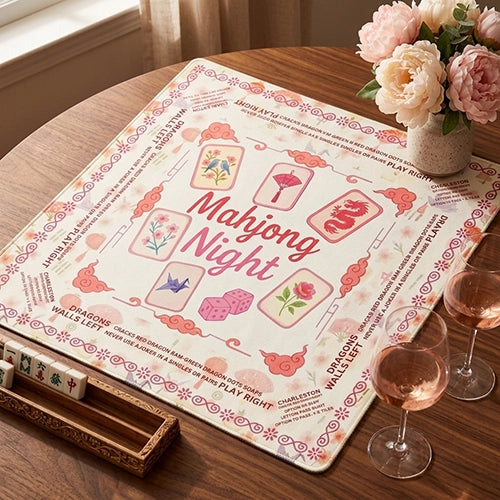
ALOXO Pink Floral Non-Slip Mahjong Mat
Protect cherished tabletop surfaces while reducing tile clatter to an elegant, satisfying murmur. Features non-slip textured backing that lays completely flat straight out of the storage tube without creasing or bunching.
DAMPENS NOISE, ELEVATES STYLE
VIEW PRODUCT DETAILSVisual and Tactile Precision: Observing Engraved Letter Symbols on Luxury Wind Tiles
For many players, the speed and accuracy of their moves depend on how easily they can identify the symbols on their tiles. Observing the deep, hand-engraved letter symbols on your wind tiles ensures you make the right play instantly, avoiding the simple visual mistakes that can disrupt your strategic defensive flow. Premium craftsmanship plays a vital role in providing this clarity and ease of use during high-stakes moments.
| Performance Criteria | ALOXO Luxury Acrylic Solution | Mass-Market Plastic Solution |
|---|---|---|
| Material Density | 30 grams per tile for stable, satisfying play | 15 to 18 grams, feeling hollow and light |
| Engraving Depth | Deep, clean grooves for high tactile feedback | Shallow, uneven cuts or simple flat printing |
| Color-Fill Pigment | Premium, fade-resistant hand-painted colors | Cheap industrial inks that flake or wear off |
| Shimmer Backing | Genuine iridescent mother-of-pearl laminate | Dull solid plastic or low-grade glitter stickers |
| Tactile Feel | Polished, silky-smooth edges that slide easily | Sharp, rough edges that catch and scratch |
| Scratch Resistance | High-grade cast acrylic designed to resist scuffs |