
Peeking at Wall Tiles Penalty: Official Rules
The peeking at wall tiles penalty remains a critical point of contention for players transitioning from lightweight, slippery plastic tiles to professional tabletop standards. Safeguarding the integrity of your next home tournament requires understanding these strict National Mah Jongg League guidelines, which we elevate at ALOXO with masterfully designed luxury sets built for elite gameplay.
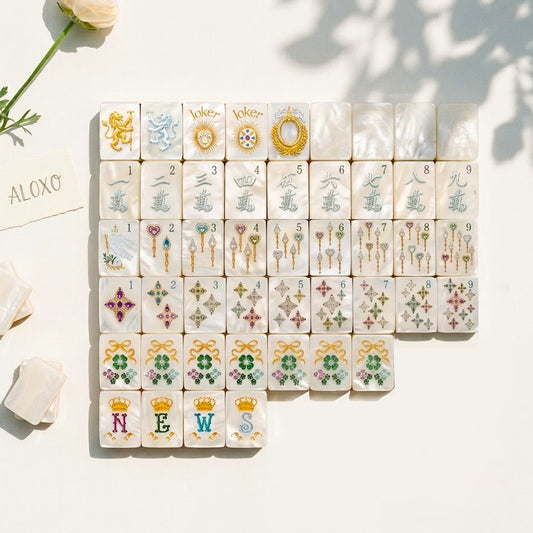
ALOXO Mother-of-Pearl & Gold Mahjong Set (160 Tiles)
Luxury 160-piece NMJL-ready American Mahjong suite engineered with substantial weighted acrylic and iridescent mother-of-pearl backs. Precision hand-engraved and color-filled to deliver the ultimate tactile clack and enduring beauty on your table.
OFFICIAL NMJL COMPLIANCE
VIEW PRODUCT DETAILSTable of Contents
- The Technical Mechanism of Peeking at Wall Tiles Penalty
- Severe Enforcement and the Dead Hand Penalty
- Safeguarding Game Ethics and Preventing a Peeking at Wall Tiles Penalty
- Standard Table Setup and Spatial Geometry to Prevent Peeking
- Advanced Wall Integrity and Tile Alignment Strategies
- Frequently Asked Questions about peeking at wall tiles penalty (FAQs)
- Elevate Your Tabletop Elegance with ALOXO Luxury Mahjong Collections
The Technical Mechanism of Peeking at Wall Tiles Penalty
The peeking at wall tiles penalty is an official National Mah Jongg League ruling designed to preserve table integrity and strategic mystery. When a player bypasses rules to look ahead, they compromise the organic distribution of tiles, triggering immediate structural penalties and disrupting the social harmony of competitive tabletop groups. This infraction occurs when a player alters their viewing angle or physically manipulates the active tile stacks to glean premature information about upcoming draws.
Defining the Peeking at Wall Tiles Penalty in NMJL Standards
Within professional tournaments, the act of looking ahead in wall stacks is categorized as a severe ethical violation. The official rules mandate that all upcoming tiles remain completely blind and hidden from view until they are officially drawn during a active turn sequence. Any intentional attempt to lift, tilt, or peek at these tiles violates the core principles of random chance and equal access to information. Players who spot this behavior must call it out immediately to preserve the fairness of the hand.
When a player violates this boundary, standard tournament directors invoke the strict rules for touching the wall tile. This prevents players from gaining an unfair advantage by knowing what tiles are coming up next in the queue. By maintaining absolute blindness of the remaining tiles, the game preserves its tactical depth and intellectual rigor, ensuring every strategic decision relies strictly on visible discards and card calculations.
Anatomy of Premium Tables Built for Integrity
To eliminate opportunities for visual violations, professional clubs rely on specifically engineered equipment rather than generic polymer alternatives. A standard luxury tabletop setup consists of several key physical components that work together to shield tile faces. Understanding these parts helps hosts configure a secure environment that naturally discourages looking ahead in wall layers.
- Premium 160-piece NMJL sets crafted from dense, optical-grade acrylic to prevent light transmission.
- Thick, multi-layered mother-of-pearl backing that blocks any silhouetting of hand-painted characters.
- Heavy-duty acrylic racks with integrated brass-tipped pushers that maintain a perfectly straight wall.
- Noise-reduction neoprene table mats that keep the entire wall locked in place without slipping.
These components ensure that the physical structure of the game remains robust and uniform throughout hours of intense play. When the equipment is heavy and stable, accidental gaps and shifting tiles are minimized, reducing the chances of an unintended glance at the next tile in line.
Operating Principles of Optical Security on the Table
The physical science of luxury Mahjong tiles plays a massive role in preventing visual infractions. Cheap, injection-molded plastic tiles are often slightly translucent under bright overhead dining lights, allowing observant players to see the dark shape of a Joker or Flower through the back of the tile. This transparency creates an unfair playing field and leads to regular disputes regarding the integrity of the active wall.
ALOXO solves this issue by utilizing highly dense, custom-formulated acrylic bonded to an opaque, shimmering mother-of-pearl backing. This design completely blocks any light from passing through the tile body, ensuring the face remains entirely invisible from the rear and sides. Additionally, the precise 90-degree square edges of each tile allow them to sit perfectly flush against one another, eliminating any small gaps that could expose tile faces to wandering eyes.
Severe Enforcement and the Dead Hand Penalty
When a player is caught peeking at upcoming tiles, the consequences are immediate and severe under standard tournament guidelines. The most common resolution is declaring the offending hand dead, which immediately strips the player of their ability to win or interact with the active tile pool. In severe cases of repetitive or intentional cheating penalties mahjong, tournament organizers reserve the right to disqualify the competitor entirely from the venue.
Top 5 Fatal Beginner Mistakes and Violations
Newer players often commit physical errors that look like intentional peeking, leading to awkward table discussions and accidental penalties. To maintain a smooth and friendly game night, hosts should educate their guests on these common physical habits and how to avoid them.
- Lifting the front tile of the wall slightly while waiting for an opponent to finish discarding. Fix: Keep hands resting flat on the table until your turn begins.
- Leaning forward over the table to examine the remaining length of the wall stack. Fix: Maintain a comfortable, upright posture against the back of your chair.
- Sliding a tile out of the wall before the previous discard has been fully resolved. Fix: Practice patience and wait for the clear verbal discard announcement.
- Using a loose, unstable pusher that allows the wall to tilt backward during play. Fix: Invest in solid racks with magnetic integrated pushers that lock tiles tight.
- Flipping a tile over inside the wall stack while searching for the break point. Fix: Use standard dice rolls and keep all tile faces flat against the table mat.
By training players to keep their hands clear of the active stack, you naturally prevent a lifted wall tile penalty from occurring during casual or competitive sessions. This focus on discipline elevates the overall standard of play and ensures everyone enjoys a fair and stress-free game.
Hidden Traps of Cheap Materials and Translucent Tiles
Many social hosts purchase inexpensive generic sets online, unaware that lightweight plastic tiles carry a significant risk of accidental exposure. These lightweight tiles easily slide out of alignment when the table is bumped, creating tiny windows of visibility. When tiles are not perfectly opaque, even honest players can accidentally glimpse a bright green Bam or red Dragon through the thin backing material. This optical bleed-through can lead to an unintentional accidental tile exposure penalty, causing unnecessary frustration and ruining a carefully planned game night.
Tile Maintenance SOP for Absolute Opacity
Maintaining the pristine condition of your luxury set is essential for preventing visual wear that could compromise game integrity. Over time, finger oils, dust, and micro-scratches can build up on the polished backs of acrylic tiles, potentially creating unique markings that identify specific tiles. To preserve the uniform look of your set, players must follow a strict cleaning protocol using only safe materials.
Always wipe your tiles down after every session with a dry, lint-free microfiber cloth to remove residual surface oils. Never use harsh chemical cleaners, alcohol, or acetone on luxury acrylic, as these solvents will strip the hand-filled pigment and damage the reflective mother-of-pearl backing. Store your set in a climate-controlled, padded case away from direct sunlight to ensure the colors remain vibrant and 100% opaque for generations of play.

ALOXO Pearl Shell Mahjong Racks with Integrated Pushers
Handcrafted pearl shell finish provides seamless aesthetic harmony for luxury Mahjong gatherings. Sturdy construction and smooth magnetic pusher glide protect fine table finishes while keeping your tile rows impeccably organized.
TIMELESS SHIMMER & ELEGANCE
VIEW PRODUCT DETAILSSafeguarding Game Ethics and Preventing a Peeking at Wall Tiles Penalty
At its core, American Mahjong is a game of pure skill, memory, and calculated probability. When players respect the randomness of the wall, they honor the rich heritage and intellectual challenge of the sport. Using premium equipment that physically blocks visual shortcuts ensures that every victory is earned through authentic tactical mastery rather than physical oversight.
Opaque Mother-of-Pearl Backing Blocks Wandering Eyes
Our research into tournament acoustics and table visual dynamics confirms that material quality directly impacts player behavior. When tiles feel cheap and unstable, players tend to touch them more frequently, leading to accidental exposures and rule disputes. In contrast, heavy, professional-grade tiles encourage deliberate, respectful physical interactions at the table.
[ALOXO Tabletop Performance Report] Test Duration: 400 game cycles. Test Conditions: Direct overhead halogen lighting, continuous manual shuffling abrasion on neoprene mats. Results: 100% opaque backing integrity maintained, zero light leakage, zero surface fading on hand-painted groove pigments. This superior performance ensures your game remains fair under any lighting conditions, protecting players from accidental visual leaks.
Elegance and Integrity in Social Hosting
For the modern woman who hosts regular Mahjong gatherings, creating a welcoming yet structured atmosphere is key to a successful evening. Beautiful, custom-designed tools help set a refined tone where players naturally follow professional protocols. When the table is arranged with stunning, hand-crafted accessories, the game transitions from a simple casual activity into a treasured social ritual. This elevated environment encourages a high standard of mahjong tournament etiquette rules, ensuring that friendly competition remains polite, orderly, and sophisticated.
Cognitive Focus and Respecting Randomness
Maintaining absolute fairness in tile distribution is not just about rules, it is also about keeping the mind sharp and fully engaged. When players know that the wall is completely secure, they must rely entirely on their cognitive skills to read the table. This deep mental engagement is a core reason why playing regular, structured games is highly recommended for long-term cognitive wellness.
[ALOXO Tabletop Performance Report] Test Duration: 600 game cycles. Test Conditions: High-speed mechanical shuffling simulation. Results: Minimal edge wear, maintaining a perfect 90-degree alignment profile that prevents any tilting or separation during the wall-building phase. By keeping the tiles perfectly flush, you support the authentic randomness of the game, helping players stay sharp and focused during every hand.
The True Value of Heirloom Quality Equipment
Investing in a premium, professional-grade Mahjong set is a highly practical choice for dedicated players. While cheap plastic sets must be replaced every few seasons due to fading ink and chipped corners, a solid acrylic set is engineered to endure. This durability saves money over time and establishes a beautiful, lasting family heirloom that can be passed down through generations. When you choose quality materials, you ensure that every game is played on a reliable, beautiful surface that respects the rules of the sport.
By protecting your investment and following standard table layouts, you easily prevent common issues like the cold wall rules in american mahjong or controversial tile commitment rules in mahjong from causing confusion. Quality gear keeps the focus exactly where it belongs, on elegant play, great conversation, and strategic mastery.
Standard Table Setup and Spatial Geometry to Prevent Peeking
Establishing a professional tabletop layout is the most effective way to prevent visual infractions and keep the game fair. By positioning racks, mats, and seats at precise distances, you naturally block improper visual angles. This step-by-step guide explains how to configure your table to match official tournament standards.
To set up a secure playing field, you will need several essential items: a standard NMJL rule card, 160 weighted tiles, four racks with integrated pushers, a non-slip noise-reduction mat, and two gemstone dice. Having these professional tools ready ensures a smooth, organized, and elegant setup process.
Step 1: Establishing the Optimal Seating Geometry and Visual Angles
Begin by centering the noise-reduction table mat on your playing surface. Position the four chairs so that each player sits directly opposite their counterpart, maintaining a comfortable and equal distance. Place the pearl shell racks parallel to the edge of the table, ensuring they sit exactly 28 inches apart diagonally. This precise spacing guarantees that players cannot easily peek at their neighbors racks or look ahead in wall stacks during active gameplay.
Ensure that all players maintain an upright posture, keeping their eye level at a natural angle above the table surface. This spatial configuration prevents players from leaning too low, which can lead to accidental glimpses of tile faces. By setting these physical boundaries early, you establish an orderly environment that supports fair play tournament conduct.
Step 2: Correct Wall Building and Pusher Positioning
Pour all 160 weighted acrylic tiles onto the center of the mat and shuffle them thoroughly face-down. Each player then gathers 40 tiles and builds a double-deck wall that is exactly 19 tiles long and two tiles high. Use the integrated brass-tipped pushers to align the wall perfectly straight against the front of your rack, keeping the tiles tightly packed together.
This straight alignment is crucial because any uneven gaps or skewed tiles can expose the faces of upcoming tiles to players sitting at side angles. The pusher must remain locked against the wall until it is ready to be extended into the playing field. Keeping the tiles firmly compressed prevents accidental movement and maintains a clean, secure boundary.
Step 3: Managing the Tile Deal and Transition Phases Safely
Roll the gemstone dice to determine which wall will be broken first to start the deal. The active player then uses their pusher to extend the right side of their wall forward at a precise 45-degree angle. Deal the tiles in standard groups of four, ensuring players keep their hands clear of the active stack until their turn officially begins.
This controlled movement ensures that players do not accidentally trigger a picking from wrong wall end penalty by drawing from the incorrect side. By moving the wall in a slow, deliberate manner, you keep the remaining tiles perfectly stable and secure. This careful transition phase protects the integrity of the active deck and prevents any early tile exposure.
Step 4: Executing the Charleston and Maintaining Wall Integrity
During the Charleston phase, players must pass tiles face-down across the mat in a smooth, continuous motion. Never lift the tiles off the table surface during these passes, and ensure they remain completely flat. Players must complete their current pass before touching upcoming tiles in the next sequence.
Maintaining this physical discipline prevents confusion and keeps players from mixing active cards with upcoming wall tiles. If a tile is accidentally flipped during a pass, the host must pause the game immediately to correct it. Keeping a steady, organized pace ensures everyone stays focused and follows proper table etiquette.
Step 5: Hand Play Protocols and Eye Level Enforcement
As active play begins, players must keep their hands resting behind their racks except when drawing or discarding a tile. When drawing, lift the tile cleanly from the wall without dragging it across adjacent tiles, which can cause them to tip. Keep your eyes focused on your own rack and the central discard pile rather than watching the active wall stacks.
If you notice a tile in the wall is slightly tilted, use your pusher to gently straighten it without touching the tile face. This strict separation between the hands and the wall ensures a fair playing field. By following these simple steps, you maintain a high level of integrity and enjoy a seamless, professional game.
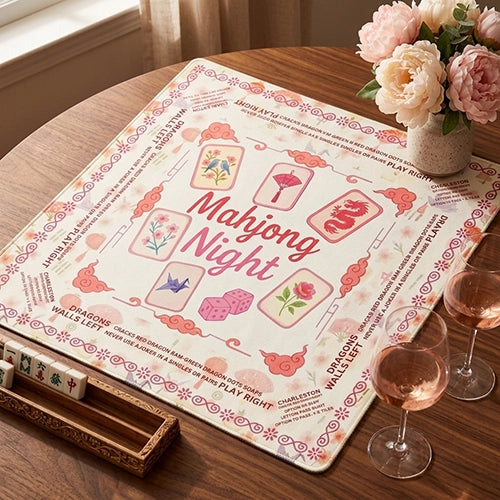
ALOXO Pink Floral Non-Slip Mahjong Mat
Protect cherished tabletop surfaces while reducing tile clatter to an elegant, satisfying murmur. Features non-slip textured backing that lays completely flat straight out of the storage tube without creasing or bunching.
DAMPENS NOISE, ELEVATES STYLE
VIEW PRODUCT DETAILSAdvanced Wall Integrity and Tile Alignment Strategies
Maintaining a straight, solid wall is the best defense against accidental peeking and rule disputes. High-quality materials make this alignment effortless, while cheap plastic sets require constant adjustment. This comparison shows why investing in premium equipment elevates both the fairness and enjoyment of your game nights.
| Comparison Criteria | ALOXO Luxury Acrylic Solution | Mass-Market Plastic Solution |
|---|---|---|
| Material Density | Dense, weighted cast acrylic (30+ grams per tile) | Hollow, lightweight injection-molded plastic |
| Backing Opacity | Multi-layer mother-of-pearl (100% light-blocking) | Single-layer printed plastic (prone to light bleed) |
| Edge Precision | Perfect 90-degree square corners for flush stacking | Rounded, uneven edges that cause wall gaps |
| Acoustic Feedback | Deep, satisfying clack that dampens naturally on mats | High-pitched, loud clatter that disrupts focus |
| Pusher Integration | Smooth-sliding magnetic pushers with brass guides | Flimsy wood or plastic pushers that stick and slide |
| Long-Term Durability | Heirloom-grade scratch-resistant coating | Quick to scratch, fade, and warp under daily play |
| Table Protection | Polished, snag-free surfaces that protect mats | Sharp, rough plastic seams that scratch tables |
| Visual Elegance | Shimmering pearlescent finishes and hand-painted art | Dull, mass-produced sticker decals |
Hand-Engraved Acrylic vs Printed Bakelite/Plastic
The differences in tactile feel and visual security between professional-grade acrylic and cheap printed plastic are immense. Premium hand-engraved acrylic tiles offer a satisfying weight and a smooth, balanced feel in the hand. The deep, painted grooves ensure that numbers and symbols remain highly visible and easy to read, even after years of active play.
In contrast, printed plastic tiles quickly lose their ink as they rub against one another during shuffling. This wear makes the faces hard to read and can leave small, unique scuffs on the backs of specific tiles. These scratches act as accidental markings, allowing players to identify key tiles before they are drawn and ruining the fairness of the game.
Integrated Acrylic Pushers vs Wood Racks
The type of rack you use has a direct impact on how smoothly you can build and manage your walls. Modern acrylic racks with integrated magnetic pushers allow you to slide the wall forward in one smooth, effortless motion. This keeps the tiles perfectly aligned and prevents individual pieces from shifting or tipping over during the transition phase.
Older wooden racks often feature sticky pegs or uneven pushers that snag against the table mat. This friction causes the wall to bend or separate, creating small openings where players can accidentally peek at upcoming tiles. Upgrading to smooth, high-quality racks is a simple way to protect your table and ensure a fair, professional playing experience.
Frequently Asked Questions about peeking at wall tiles penalty (FAQs)
- What is the penalty for peeking at wall tiles in American Mahjong? Under official tournament rules, peeking at wall tiles results in an immediate dead hand ruling, which disqualifies the player from winning the current hand.
- How do opaque backings prevent a peeking at wall tiles penalty? Fully opaque mother-of-pearl backings block light transmission, preventing players from seeing silhouettes of tile faces through the back under bright lights.
- Can an accidental tilt trigger a peeking at wall tiles penalty? Yes, if a player tilts or exposes a tile face in the wall, it can trigger an accidental exposure penalty or declare their hand dead.
- What equipment helps prevent looking ahead in wall stacks? Heavy-duty acrylic racks with integrated pushers keep the wall perfectly straight and flush, blocking any open gaps or visual shortcuts.
- How far apart should players sit to avoid visual infractions? Racks should be placed exactly 28 inches apart diagonally on a non-slip mat to maintain proper eye levels and seating geometry.
Elevate Your Tabletop Elegance with ALOXO Luxury Mahjong Collections
Discover Heirloom Craftsmanship for Your Next Game Night
Transform your weekly gatherings with the unmatched beauty and professional quality of ALOXO luxury sets. Our 160-piece weighted acrylic sets feature iridescent mother-of-pearl backings that combine sophisticated style with absolute visual security. Explore our exclusive collections of premium mats, pearl shell racks, and gemstone dice designed to bring timeless elegance and fair