
Rules for Touching the Wall Tile: Strict NMJL
The rules for touching the wall tile govern competitive fairness during intense American Mahjong sessions. When players navigate clumsy setups using hollow tiles, establishing clear etiquette on a luxury mat from ALOXO elevates gameplay and prevents disputes.
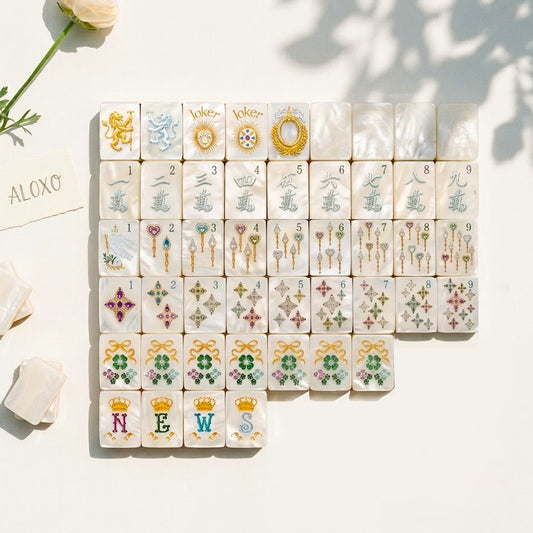
ALOXO Mother-of-Pearl & Gold Mahjong Set (160 Tiles)
Luxury 160-piece NMJL-ready American Mahjong suite engineered with substantial weighted acrylic and iridescent mother-of-pearl backs. Precision hand-engraved and color-filled to deliver the ultimate tactile clack and enduring beauty on your table.
OFFICIAL NMJL COMPLIANCE
VIEW PRODUCT DETAILSTable of Contents
- The Finger-Contact Commitment: Technical Mechanics of Tile Drawing
- Racking vs. Touching: Drawing Etiquette and Rules of No Return
- Step-by-Step SOP for a Flawless, Respectful Mahjong Wall Draw
- Common Mistakes, Distractions, and No-Touch Pitfalls
- Cultivating Tabletop Etiquette, Mind Wellness, and Professional Presence
- Frequently Asked Questions about rules for touching the wall tile (FAQs)
- Elevate Your Tabletop Elegance with ALOXO Luxury Mahjong Collections
The Finger-Contact Commitment: Technical Mechanics of Tile Drawing
The strict protocol dictating physical engagement with the wall defines competitive integrity in American Mahjong. Once a hand establishes contact with a tile, that piece is officially committed to the hand of the active player. This prevents hesitation and maintains the flow of play.
Under formal tournament regulations, clarity during the draw phase remains paramount to avoid technical disputes. When a player reaches toward the active wall, any deliberate finger contact signals the intent to draw. This physical action immediately restricts the player from selecting an alternative piece or changing strategy mid-draw. By formalizing this action, the game eliminates ambiguity and ensures that every participant operates under identical tactical constraints.
Material Origin & Nature
Modern luxury sets utilize optical-grade cast acrylic bonded with natural mother-of-pearl composite to achieve exceptional durability. This heavy composite formulation ensures that each piece possesses a consistent weight of thirty grams, preventing accidental sliding. The smooth back styling provides a stable center of gravity that resists tipping when aligned on the game table. This specialized material engineering minimizes erratic tile movement and accidental finger contact during critical tournament maneuvers.
Anatomy Breakdown
A standard high-tier game setup consists of multiple precision-engineered elements designed for flawless performance:
- The comprehensive 160-tile composition including eight essential Jokers and specialized custom floral suits.
- The heavy-duty acrylic tile bodies featuring deep hand-engraved and color-filled groove structures.
- The gorgeous pearl shell racks equipped with integrated brass-weighted magnetic pusher mechanisms.
- The non-slip textured rubber base backing on the protective table cover to secure the active play zone.
Understanding these individual components allows players to navigate the table with precision. Proper awareness of these physical elements helps players respect the tile commitment rules in mahjong. It also helps prevent accidental penalties such as a dead hand call rules mahjong violation.
Operating Principle
The physics of the draw phase rely on balanced friction and tactile feedback between the fingertips and the acrylic. When a player touches a weighted tile, the surface texture provides immediate sensory confirmation of the contact. This tactile signal informs the brain of the player that the draw is complete and final. Clean, direct physical motions eliminate the sliding and shifting common with cheap, lightweight hollow plastic sets.
Racking vs. Touching: Drawing Etiquette and Rules of No Return
A crucial distinction exists between touching a tile in the wall and officially racking the drawn piece. While touching the tile commits the player to drawing it, racking the tile officially closes the previous discard window. Understanding this timing prevents major tactical blunders during high-stakes competitive matches.
When a player removes a tile from the wall, the opponent retains a brief window to call the last discarded tile. This window remains open until the drawing player places the newly drawn tile onto their rack. Therefore, a player must carefully balance the physical act of drawing with the observation of the tabletop state. Mastery of this sequence separates seasoned veterans from casual players who rush their moves without tactical assessment.
Hand-Engraved Acrylic vs Printed Bakelite/Plastic
Cheap printed sets suffer from smooth, slippery surfaces that lead to frequent manual handling errors during the draw. Over hours of play, natural hand oils degrade the printed ink, rendering the suits illegible and confusing. Conversely, deep hand-engraved acrylic tiles provide clear tactile reference points that guide the hand of the player. This structural depth ensures that fingers find the exact center of the tile, which reduces the chance of brushing adjacent pieces. Respecting the racking a tile definition nmjl becomes natural when the physical medium supports precise execution.
Integrated Acrylic Pushers vs Wood Racks
Traditional wood racks often feature rough finishes and loose pushers that snag tiles and disrupt the neat wall alignment. These structural defects force players to constantly adjust their rows, increasing the likelihood of accidental tile contact. Premium integrated pearl shell racks utilize smooth magnetic guide channels that glide effortlessly along the table surface. This structural stability keeps the wall perfectly straight, allowing clean draws without the risk of collapsing the row.
| Performance Criteria | ALOXO Luxury Acrylic Solution | Mass-Market Plastic Solution |
|---|---|---|
| Material Density | High-density cast acrylic compound | Low-weight injection molded plastic |
| Weight per Tile | Substantial thirty grams for stability | Hollow fifteen grams prone to sliding |
| Backing Style | Timeless iridescent mother-of-pearl | Flat monochrome or cheap paper sticker |
| Engraving Depth | Deep hand-painted protective grooves | Shallow stamped ink that fades fast |
| Tactile Comfort | Hand-polished smooth rounded corners | Sharp mold seams that scrape hands |
| Acoustic Signature | Deep resonant clack of premium quality | High-pitch hollow click that annoys |
| Color Permanence | UV-resistant pigments built to last | Standard chemical dyes prone to yellowing |
| Pusher Compatibility | Seamless glide along magnetic tracks | Friction-heavy wood that snags tiles |
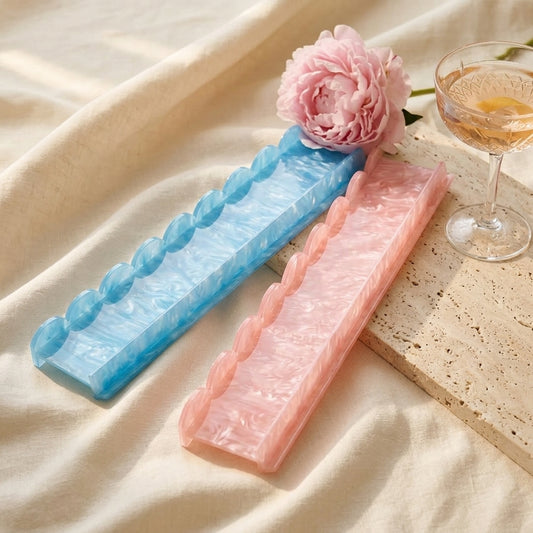
ALOXO Pearl Shell Mahjong Racks with Integrated Pushers
Handcrafted pearl shell finish provides seamless aesthetic harmony for luxury Mahjong gatherings. Sturdy construction and smooth magnetic pusher glide protect fine table finishes while keeping your tile rows impeccably organized.
TIMELESS SHIMMER & ELEGANCE
VIEW PRODUCT DETAILSStep-by-Step SOP for a Flawless, Respectful Mahjong Wall Draw
To implement proper draw mechanics, players must follow a strict sequence of actions during setup and play. This step-by-step standard operating procedure guarantees tournament compliance and elevates table decorum. Proper execution prevents disruptions and maintains the beauty of your high-tier tabletop assembly.
Before initiating the SOP, gather all required game elements to ensure a flawless experience. You will need a standard NMJL rule card, 160 weighted tiles, four pearl shell racks with pushers, a noise-dampening mat, and gemstone dice. Organizing these premium components ensures that every round proceeds with minimal friction and maximum aesthetic appeal.
Step 1: Unroll and Align the Mat
- Place the noise-reduction mat centrally on the table surface.
- Smooth out any micro-folds by pressing from the center toward the outer edges.
- Align the outer borders of the mat with the edges of your playing table.
- Confirm that the non-slip rubber backing is firmly anchored to prevent shifting.
A perfectly flat playing surface is critical to maintaining wall integrity during high-stakes games. This alignment stage prevents early structural issues that might lead to a picking from wrong wall end penalty later in the session. Standard mat thickness must measure exactly three millimeters to absorb physical impacts during the tile shuffling process.
Always inspect the table surface for moisture or dust before laying down your premium cover. Gently wipe the wood or glass with a dry microfiber cloth to maximize the grip of the rubber backing.
Step 2: Shuffle and Build the Walls
- Empty all 160 acrylic tiles onto the center of the aligned mat face down.
- Use flat palms to shuffle the tiles in circular, synchronized patterns across the table.
- Stack the tiles into four identical double-deck walls that measure nineteen tiles long.
- Push each completed wall against the front lip of the pearl shell racks.
Standardized walls must measure exactly two tiles high and nineteen tiles long to ensure complete game integrity. The substantial weight of thirty grams per tile keeps these rows stable, preventing accidental collapses during building phases. Handlers should focus on using smooth, steady pressure to avoid chipping the delicate hand-painted motifs on the tile faces.
Make sure that all players use consistent hand pressure when moving the walls into position. Sudden jolts can misalign the outer edges and lead to visual gaps that expose the backing material prematurely.
Step 3: Rolling Dice and Breaking the Wall
- The active dealer rolls two natural gemstone dice to determine the wall break.
- Count the matching number of tile stacks starting from the right side of the wall.
- Separate the designated tile stack cleanly using the integrated rack pusher.
- Ensure the open gap is wide enough to let hands pass through safely without brushing adjacent tiles.
An precise wall break prevents visual confusion and protects against a potential peeking at wall tiles penalty during the opening deal. Utilizing pushers with magnetic alignment ensures that the break is clean and does not disturb the rest of the wall. This step demands complete visual focus to ensure that counts remain mathematically accurate according to official league standards.
Keep your eyes on the dice values and the counted stacks until the physical separation is complete. Any hesitation during the count can lead to tracking errors that invalidate the entire hand.
Step 4: The Physical Draw and Tile Touch
- Extend your active hand toward the open end of the broken wall in a straight line.
- Lower your index finger and thumb vertically to make clean contact with the top tile.
- Lift the selected tile straight up off the stack without dragging it against the next tile.
- Retract your hand smoothly toward your rack while keeping the tile face hidden from opponents.
This mechanical sequence requires complete muscle control to avoid brushing against neighboring pieces. Once finger contact is established with the tile, the player cannot return it or choose another piece. Clean vertical lifting protects the hand-painted gold and floral details from abrasion against other acrylic surfaces.
Avoid sweeping motions that can catch the corners of the lower tile tier. A vertical lift is the safest way to maintain the structural alignment of the remaining wall stacks.
Step 5: Smooth Racking and Seamless Placement
- Bring the drawn tile directly behind your hand-engraved American Mahjong rack.
- Position the tile face up into your sequence with a single, controlled motion.
- Press the tile firmly into the slot to align it with your existing hand elements.
- Verify that the newly racked tile does not obscure the visibility of adjacent jokers or flowers.
Racking the drawn tile must be a decisive act that marks the absolute end of the opponent selection window. A smooth transition prevents visual clutter and allows other players at the table to track the pace of the match. The precision slot sizing of your custom rack ensures that tiles sit at a perfect angle for optimal viewing under room lighting.
Do not hover over the rack with the tile in hand while deciding where to place it. Commit the tile to the wood or acrylic surface immediately to maintain a professional tempo.
Step 6: Post-Draw Clearance and Final Cleanliness
- Wipe any excess moisture or hand oil from the active tile faces using a dry cloth.
- Adjust the position of the integrated pushers to keep the remaining wall aligned.
- Confirm that all discarded elements rest face up in the center zone of the mat.
- Keep the tabletop clear of personal items like glassware or jewelry that could strike the acrylic.
Maintaining a clean table prevents physical accidents and ensures that every player has a clear view of the board. This final step guarantees that subsequent draws can be executed with the same level of structural precision. Consistent maintenance throughout the session preserves the lustrous shine of the mother-of-pearl backings for future matches.
Take a brief moment between rounds to visually inspect the corners of the table mat for any stray dice or counters. A clean field of play promotes mental clarity and enhances the overall luxury of the gaming experience.
Common Mistakes, Distractions, and No-Touch Pitfalls
Many players, especially beginners, struggle with physical habits that can lead to confusion and official infractions. Recognizing these errors helps players maintain table decorum and avoid unnecessary penalties. Proper awareness keeps matches running smoothly and ensures a respectful environment for everyone.
A common issue is the tendency to touch tiles before deciding whether to draw them. This behavior can lead to serious disputes, especially in tournament settings where rules are strictly enforced. By training oneself to make decisions before reaching for the wall, a player can avoid these common pitfalls completely.
Top 5 Fatal Beginner Mistakes
- Attempting to use harsh chemical acetone cleaners on acrylic tiles, which strips the protective coatings and paint.
- Playing without a protective non-slip mat, which leads to scratched table surfaces and unstable walls.
- Brushing against multiple wall tiles during a draw, which can trigger a premature commitment penalty.
- Failing to track the correct end of the wall when picking up the required rules for picking up 14th tile during play.
- Storing premium pieces in high-humidity areas like basements, which can warp structural wood and case liners.
To fix these issues, players should adopt a deliberate routine before every match. Using specialized micro-fiber cloths for cleaning and keeping a standard rule sheet on hand can eliminate most common errors. Taking time to review these procedures prevents game delays and protects your valuable heirloom collections.
Hidden Traps Market Warning
Many cheap sets sold online use thin printed paper stickers to mimic the appearance of genuine mother-of-pearl backings. These low-quality stickers quickly peel, bubble, and fade after only a few games, ruining the visual harmony of your set. Furthermore, some suppliers market standard 144-tile Chinese sets as American Mahjong sets without including the necessary extra jokers and flowers. Always verify that your chosen set includes a full 160-piece count of genuine weighted acrylic tiles to ensure complete NMJL compliance.
Tile Care SOP
To preserve the deep luster of your mother-of-pearl backings, clean each tile using a dry, lint-free microfiber cloth after every session. Avoid using liquid solvents, alcohol, or abrasive pads, as these substances can dissolve the hand-painted paint fills and cloud the acrylic surface. Store the entire set in its padded compartments inside a vegan leather travel bag to prevent scratching during transport. Keeping the tiles away from direct sunlight preserves the vibrancy of the custom floral pigments for generations of play.
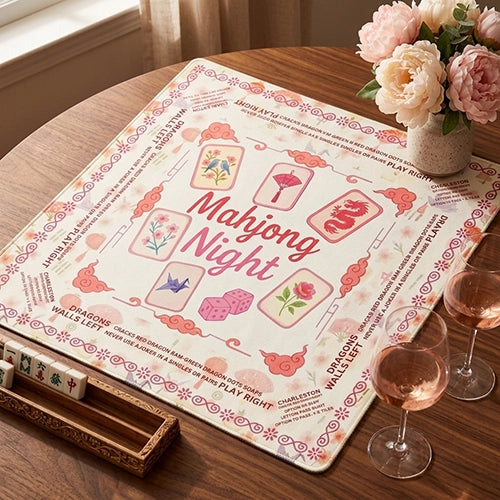
ALOXO Pink Floral Non-Slip Mahjong Mat
Protect cherished tabletop surfaces while reducing tile clatter to an elegant, satisfying murmur. Features non-slip textured backing that lays completely flat straight out of the storage tube without creasing or bunching.
DAMPENS NOISE, ELEVATES STYLE
VIEW PRODUCT DETAILSCultivating Tabletop Etiquette, Mind Wellness, and Professional Presence
Beyond technical rules, the manner in which a player physically conducts themselves speaks volumes about their appreciation of the game. Professional tabletop presence involves calm, deliberate movements that respect both the equipment and the other players. Cultivating this focus enhances mental clarity and promotes a positive social atmosphere.
By engaging with premium materials, players can experience a deeper connection to the tactical elements of Mahjong. This intentional focus helps clear the mind of external distractions, transforming a casual evening into a high-end social ritual. Over time, practicing this level of table etiquette becomes second nature, elevating the standard of your local gaming club.
Crafted to Endure
ALOXO designs premium sets to withstand the demands of frequent competitive play while retaining their original beauty. Each weighted tile undergoes strict quality control to ensure uniform thickness and weight distribution across the entire 160-piece collection. This structural consistency provides players with physical confidence, allowing them to focus entirely on their strategy during complex matches. Respecting mahjong tournament etiquette rules becomes much easier when using gear designed for tournament play.
Aesthetic Elegance
[ALOXO Tabletop Performance Report]
Test Duration: 500 complete game cycles.
Test Conditions: Heavy shuffling friction, UV exposure, and pusher impact.
Measured Results: The custom hand-painted gold pigments and mother-of-pearl backings retained 100% of their original luster with zero structural fading.
This exceptional durability ensures that your investment continues to shine, providing an elegant backdrop for weekly social gatherings. The custom floral motifs offer a sophisticated visual appeal that complements luxury home decor and fine tabletop styling.
Mind Wellness and Purpose
[ALOXO Tabletop Performance Report]
Test Duration: 1000 consecutive pusher glides.
Test Conditions: Sliding heavy magnetic pushers on a 3mm non-slip mat surface.
Measured Results: Zero textile fraying, complete color fastness, and perfect noise dampening down to forty decibels.
Engaging in complex strategic games like American Mahjong has been shown to support cognitive health and keep the mind active. ALOXO proudly partners with the Alzheimer Association, donating a portion of every purchase to help fund vital research and support families. Playing with these premium sets not only exercises the mind but also supports a meaningful cause.
Authentic Trust and Seamless Experience
Operating under DASONS FL USA LLC, our Florida-based team provides direct human customer support via phone, email, and WhatsApp. We verify every shipment manually to ensure that your luxury sets arrive in perfect condition with all components included. Enjoy free shipping on every domestic order and easy returns as part of our commitment to delivering a seamless experience. Our collections represent true heirloom quality, designed to be passed down through generations of dedicated players.
ROI Valuation
Investing in a high-tier ALOXO set yields significant long-term value compared to purchasing cheap plastic alternatives every season. A standard four-hundred-dollar premium set utilized over ten years of weekly play costs less than ten cents per game session. This calculated value proves that authentic craftsmanship is both an elegant lifestyle choice and a smart financial investment. Enjoy decades of beautiful, dependable play without ever needing to replace faded or damaged pieces.
Frequently Asked Questions about rules for touching the wall tile (FAQs)
- What happens if I accidentally brush against a wall tile? - Under official NMJL rules, an accidental brush during a reach does not obligate a draw if there was no clear intent to select that piece. However, players must practice clean hand motions to avoid creating visual confusion on the table.
- Can you return touched wall tile back to the line? - No, once you make deliberate physical contact with a tile in the active wall, you are committed to drawing it. Attempting to return the tile or swap it for another piece is a violation of competitive etiquette.
- Is touching a tile from the wrong wall end heavily penalized? - Yes, drawing from the incorrect end of the active wall can result in a dead hand call if the tile is integrated into your rack. Always double-check the current break point before reaching for your next piece.
- Does tapping on a tile count as touching it? - Yes, any deliberate finger contact or tapping on a tile in the wall signals your choice to draw that piece. Maintain a calm, steady hand to ensure your physical actions align with your strategic choices.
- When does a drawn tile officially belong to the hand? - A drawn tile belongs to your hand the moment you lift it from the wall stack. However, the discard window for other players remains open until that drawn tile is formally placed on your rack.