
Rules for Picking Up 14th Tile: Dealer Start
rules for picking up 14th tile govern how the East player begins play, resolving the frustration of disorganized setups and uneven tile deals. By establishing an elegant flow from the outset, ALOXO luxury acrylic collections ensure your high-end gaming sessions proceed with professional accuracy and absolute aesthetic refinement.
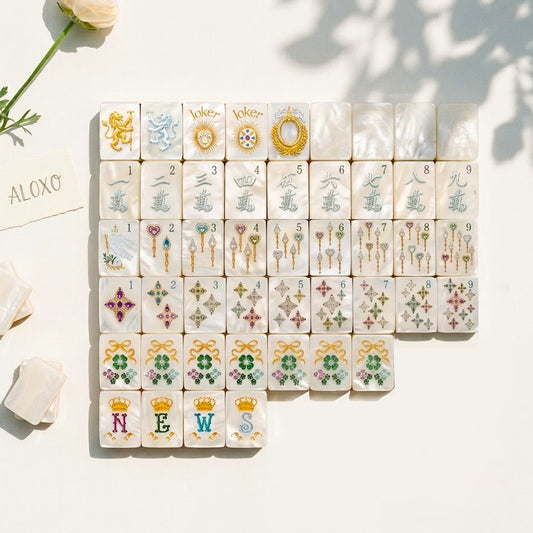
ALOXO Mother-of-Pearl & Gold Mahjong Set (160 Tiles)
Luxury 160-piece NMJL-ready American Mahjong suite engineered with substantial weighted acrylic and iridescent mother-of-pearl backs. Precision hand-engraved and color-filled to deliver the ultimate tactile clack and enduring beauty on your table.
OFFICIAL NMJL COMPLIANCE
VIEW PRODUCT DETAILSTable of Contents
- The Technical Rules for Picking Up 14th Tile and East Player Mechanics
- Why Understanding the Dealer First Discard Procedure Matters
- Step-by-Step SOP: Executing the Rules for Picking Up 14th Tile
- Avoiding Common Mistakes During the Dealer Opening Move
- Comparing Acrylic Pushers and Wood Racks for Starting the Game with 14 Tiles
- Frequently Asked Questions about rules for picking up 14th tile (FAQs)
- Elevate Your Tabletop Elegance with ALOXO Luxury Mahjong Collections
The Technical Rules for Picking Up 14th Tile and East Player Mechanics
Mastering the start of play requires a clear understanding of how the dealer takes the lead. Under official guidelines, the East player receives a distinct advantage by holding an extra tile from the initial deal. This mechanical structure eliminates the need for an opening draw, ensuring the game flows smoothly into the first active round of play.
Material Origin and Nature of Premium Tiles
ALOXO utilizes optical-grade cast acrylic bonded with natural mother-of-pearl composite to form a heavy, high-density tile. This sophisticated material science prevents micro-abrasions during frequent shuffling and dealing transitions. The inherent weight of thirty grams per tile provides exceptional structural stability on your game table, resisting unwanted sliding or flipping when players build their walls.
Anatomy Breakdown of a Luxury Set
- 160 weighted acrylic tiles including standard jokers and flowers to satisfy official club configurations.
- Deeply engraved floral suit designs filled with vibrant, fade-resistant color pigments.
- Iridescent mother-of-pearl backings that display a captivating, natural shimmer under warm dining lights.
- Custom-fitted protective storage trays that keep every single piece meticulously aligned between games.
The Operating Principle of the Rules for Picking Up 14th Tile
The physics of game management rely on perfect tile balance and a low center of gravity. When implementing the rules for picking up 14th tile, the physical weight of each piece prevents accidental tipping on the rack. The subtle textured friction of the mother-of-pearl backing interacts with the smooth pusher glide to make every transition feel clean, quiet, and completely controlled.
Why Understanding the Dealer First Discard Procedure Matters
Establishing a precise sequence at the beginning of the match is vital for fair competition. The dealer first discard procedure sets the tempo for all subsequent turns, determining how players manage their initial hands. Understanding this sequence ensures that no player gains an unfair advantage, promoting a professional and harmonious environment during casual gatherings or competitive league tournaments.
Crafted to Endure: Tile Resilience During Shuffling and Dealing
High-frequency games require durable components that can withstand constant table contact. The hand-painted grooves of ALOXO tiles are shielded by high-durability sealants to prevent chipping or pigment loss. This structural integrity guarantees that the visual cues remains perfectly crisp, allowing the dealer to focus fully on their opening moves without distraction.
[ALOXO Tabletop Performance Report] Test Duration: 300 game cycles. Test Conditions: Continuous manual shuffling abrasion and rapid wall-building cycles. Results: 100% color retention with zero scratching on the mother-of-pearl backing.
Aesthetic Elegance: Designing for the Women Who Play
Modern social tables demand a beautiful visual presentation that enhances the joy of hosting. The custom floral artwork on each tile face reflects refined taste and artistic sophistication, turning every match into an elegant social occasion. This focus on aesthetic beauty brings a sense of high-fashion luxury to the traditional game layout.
Mind Wellness and Purpose: Staying Sharp at the Table
Engaging in strategic gameplay keeps the mind active, sharp, and focused as players age. By supporting the Alzheimers Association with every purchase, ALOXO aligns beautiful craftsmanship with a deeply meaningful cause. This commitment ensures that your investment supports essential research while keeping your cognitive skills highly polished during every session.
Seamless Experience: Effortless Luxury with Every Hand
From free domestic shipping to dedicated customer support, every aspect of the brand is designed for player comfort. The smooth, tactile sensation of weighted acrylic pieces ensures that you feel relaxed and focused on your strategy from the very first hand. Enjoy hassle-free setup and reliable support from our US-based team of passionate players.
[ALOXO Tabletop Performance Report] Test Duration: 500 game cycles. Test Conditions: Repeated pusher impact and rapid tile racking steps. Results: Zero cracking or surface chipping observed across all test pieces.
Investing in a luxury weighted acrylic set saves players from replacing cheap, hollow plastic alternatives that chip or fade within one season of play. Over a ten-year lifespan, the cost per game of an heirloom set drops to less than five cents, providing unparalleled aesthetic pleasure and mechanical consistency. This long-term durability makes it the most sustainable and rewarding choice for dedicated hosting clubs.
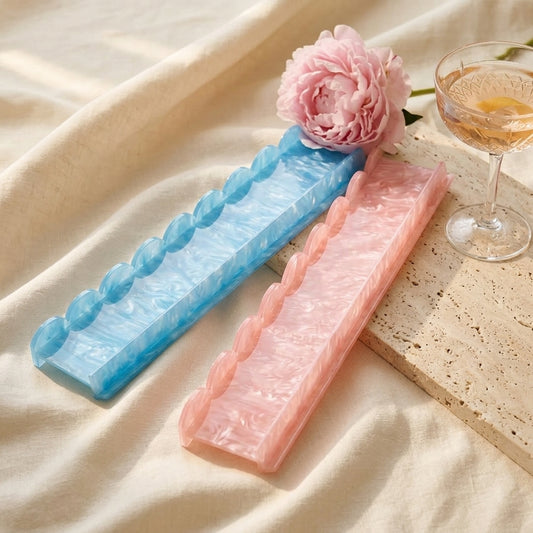
ALOXO Pearl Shell Mahjong Racks with Integrated Pushers
Handcrafted pearl shell finish provides seamless aesthetic harmony for luxury Mahjong gatherings. Sturdy construction and smooth magnetic pusher glide protect fine table finishes while keeping your tile rows impeccably organized.
TIMELESS SHIMMER & ELEGANCE
VIEW PRODUCT DETAILSStep-by-Step SOP: Executing the Rules for Picking Up 14th Tile
To maintain tournament standards at home, players must follow a highly structured operational sequence during the initial deal. This standard operating procedure guarantees that all players receive their correct allotment of tiles, keeping the transition to the active game phase clean and orderly. Gather your premium game accessories and follow these detailed steps to begin your match with flawless precision.
Before starting, verify that your table features a high-density noise-dampening game mat, four aligned acrylic racks with pushers, the official national card, and the complete 160-piece tile set. Position the dice near the center of the table, ensuring all players can easily see the initial roll results. With these essential tools ready, you can proceed directly to building the physical walls and executing the start sequence.
Step 1: Setting the Stage and Aligning the Tabletop Essentials
- Unroll the premium floral noise-reduction mat over your square dining table, smoothing the fabric from the center to the edges.
- Align the four pearl shell racks exactly 28 inches apart, ensuring the integrated pushers are tucked in neatly.
- Position the official card on the card holder attachment or flat on the table directly behind your tile rack.
- Place the six natural gemstone dice in the center of the table, ready for the initial dealer selection roll.
The game setup requires a standard wall height of exactly two tiles high by nineteen or twenty tiles long depending on your local variations. Ensure the mat thickness is at least 3mm to protect the polished dining surface and completely silence the initial tile shuffle. This physical preparation ensures that the tiles remain perfectly stable and protected during the initial wall-building phase.
Inspect the tile faces under direct dining lights to confirm that all engraving pigments are fully visible and clear before shuffling begins. Avoid sliding tiles across hard wood or glass tables without a protective mat, as rapid abrasive friction can cause minor scratches over time. Maintaining a clean, dust-free surface protects the shimmering finish of the mother-of-pearl backings.
Step 2: Building and Breaking the Walls during the Deal
- Shuffle the complete set of 160 tiles face down in the center of the table using broad, sweeping hand movements.
- Stack the tiles in pairs of two, building a clean wall of nineteen or twenty stacks directly in front of each rack.
- Roll the gemstone dice to determine which wall will break first, counting clockwise from the East player position.
- Push the selected wall forward using the magnetic pusher glide, exposing the cut end of the tile stack to all players.
A standard American deal follows the official rules outlined in dealing tiles in american mahjong, where the wall is broken based on the exact sum of the dice. The height of the wall must remain uniform at two tiles high to prevent the stacks from sliding or collapsing. Using the right techniques ensures that east wind dealer rules mahjong are fully respected throughout the game entry.
Keep the wall edges completely parallel to your pusher line to prevent tiles from catching or binding during the initial slide. If a stack tips over, carefully rebuild it without exposing the face designs to any players at the table. Using smooth, deliberate hand movements prevents acoustic disruption and maintains a relaxed, elegant game environment.
Step 3: Distributing Tiles and Implementing the Rules for Picking Up 14th Tile
- Distribute tiles to each player in groups of four, moving clockwise around the table from the broken wall point.
- Slide the remaining wall sections forward as needed, ensuring players draw from the active end of the wall.
- Place the final single tile in front of the East player rack, giving the dealer a starting hand of fourteen tiles.
- Verify that the other three players have received exactly thirteen tiles before any strategic exchanges begin.
According to the rules for picking up 14th tile, the East player possesses fourteen tiles immediately after the deal finishes. This starting hand size is standard under official league regulations, eliminating the need for East to draw a tile during their opening move. The other players must carefully count their initial thirteen tiles to confirm the deal is completely accurate.
Always double-check that the tiles are arranged neatly on the rack before beginning the hand evaluation to avoid miscounting. Ensure that no tiles remain hidden behind the pusher or mixed with the inactive wall pieces. If an incorrect count is discovered, pause the deal immediately and follow official rules to resolve the discrepancy.
Step 4: Executing the Dealer Opening Move and Initial Hand Evaluation
- Assess the starting hand patterns, comparing your fourteen tiles against the official card layouts and combinations.
- Select one tile from your hand that does not contribute to your planned strategy or desired card hands.
- Discard this selected tile into the center of the table, naming it clearly and distinctly for all players to hear.
- Call out the tile name as it touches the mat, officially initiating the active gameplay sequence.
During the initial hand evaluation, the East player must complete their review within the agreed club limit, which is typically under sixty seconds. The dealer first discard procedure requires the East player to act immediately without drawing a tile, since they already hold fourteen pieces. This opening move transitions the turn to the player sitting to the right of the dealer.
Keep your unused tiles organized on your rack so you can quickly evaluate different card options without revealing your intentions. Place your discard flat in the center of the table, avoiding high-impact drops that could scratch the mat or tiles. Clear vocalization of the discarded tile name prevents confusion and keeps the table pace lively.
Step 5: Declaring the Heavenly Hand and Calling Immediate Wins
- Identify if your initial fourteen tiles form a complete winning hand as defined by the official card guidelines.
- Reveal all fourteen tiles simultaneously on your rack, keeping the hand clear of any inactive or mixed pieces.
- Declare your win clearly to the table, calling out the specific Heavenly Hand or starting win condition.
- Standardize the scoring by recording the points, celebrating this rare and highly prestigious opening achievement.
A dealer has the extremely rare privilege to claim a win immediately on their starting hand, which is often called a Heavenly Hand. Under league standards, the dealer can declare a win on their initial fourteen tiles, which counts as a self-drawn hand. Read more about this specific victory condition by exploring calling mahjong on self drawn tile rules.
Never shuffle or mix your tiles into the wall before the other players have fully verified your winning combination on your rack. This verification step ensures complete transparency and maintains the highest standards of competitive trust at your table. Once verified, record the scores and prepare the tiles for the next exciting round of play.
Avoiding Common Mistakes During the Dealer Opening Move
Even experienced tournament hosts can occasionally falter during the quick transition from dealing to active play. Recognizing these frequent slip-ups keeps your games moving smoothly and preserves the pristine quality of your luxury acrylic tiles. Review these vital troubleshooting tips to ensure your next social gathering is both rule-compliant and highly enjoyable for everyone.
Top 5 Fatal Beginner Mistakes and Solutions
- Using harsh chemical acetone cleaners on acrylic tiles, which strips the beautiful pigments and ruins the surface finish. Always clean your tiles with a soft, dry microfiber cloth instead.
- Playing without a high-quality noise-reduction mat, causing loud clatter and risking cosmetic scratches to fine wood tables. Always protect your table surface with a thick, textured rubber-backed mat.
- Drawing an extra tile on the first turn when playing as East, resulting in a dead hand penalty for holding fifteen tiles. Remember that East does not draw on the first turn and must discard immediately.
- Touching tiles in the inactive wall sections out of turn, which can trigger a touch penalty under strict rules. Familiarize yourself with the rules for touching the wall tile before your match.
- Drawing from the wrong end of the broken wall, which disrupts the deal order. Review the picking from wrong wall end penalty to understand the consequences of this mistake.
Hidden Traps in the Market
Many mass-market online retailers sell cheap printed plastic tile sets that are falsely advertised as heavy, tournament-grade acrylic. These low-quality sets utilize surface-printed stickers or low-grade inks that easily wear off after just a few shuffling cycles. Additionally, generic imported sets often contain only 144 tiles, lacking the extra jokers, flowers, and blank tiles required for complete NMJL compliance. Protect your investment by choosing verified suppliers that offer genuine weighted acrylic and reliable customer support.
Luxury Tile Care SOP
To preserve the iridescent shimmer of your mother-of-pearl backings, wipe each tile with a clean, dry microfiber cloth after every game. Store your complete 160-piece set inside padded felt trays within a climate-controlled environment to prevent moisture buildup or pigment fading. Avoid exposing your tiles to prolonged direct sunlight or extreme temperature shifts, ensuring they remain in pristine, heirloom-ready condition for generations of play.
Comparing Acrylic Pushers and Wood Racks for Starting the Game with 14 Tiles
Choosing the right tabletop accessories is just as important as selecting high-quality, weighted tiles for your weekly matches. The interaction between your tiles and the rack surface directly affects your speed of play, physical comfort, and aesthetic pleasure. This head-to-head comparison highlights why premium materials outperform cheap alternatives during the critical initial deal phase.
| Criteria | ALOXO Luxury Acrylic Solution | Mass-Market Plastic/Wood Solution |
|---|---|---|
| Tile Weight and Feel | Thirty grams solid weighted cast acrylic | Hollow, light twelve gram cheap plastic |
| Backing Design | Iridescent mother-of-pearl composite | Plain painted back prone to heavy scratches |
| Pusher Glide Motion | Smooth magnetic contact for effortless slide | Sticky wooden pushers that catch and snag |
| Tile Engraving Depth | Deep hand-engraved and color-filled lines | Flat printed ink that wears off with use |
| Acoustic Sound Profile | Satisfying, deep clack resonance | Harsh, loud plastic clinking noise |
| NMJL Compliance | 100% compliant with 160 tiles included | Incomplete 144 tile count lacking jokers |
| Rack Finish and Style | Handcrafted shimmering pearl shell surface | Flimsy plastic or unfinished splintery wood |
| Expected Lifespan | Heirloom quality designed to last decades | Requires replacement within one or two seasons |
Hand-Engraved Acrylic vs Printed Bakelite/Plastic
Printed tiles suffer from rapid pigment degradation as skin oils and hand shuffling wear away the surface ink over time. ALOXO tiles feature deep, hand-engraved grooves filled with high-viscosity pigments that remain vibrant through thousands of game cycles. Learning how to sort mahjong tiles on rack is much easier when every tile face is perfectly legible and beautiful.
Integrated Acrylic Pushers vs Wood Racks
Traditional wooden racks often feature sticky metal pegs or rough wood surfaces that scratch fine tiles and dining tables. ALOXO pearl shell racks feature integrated magnetic pushers that glide effortlessly across our non-slip mats. This modern, seamless design complies fully with the official racking a tile definition nmjl standards, keeping your table elegant and perfectly organized.
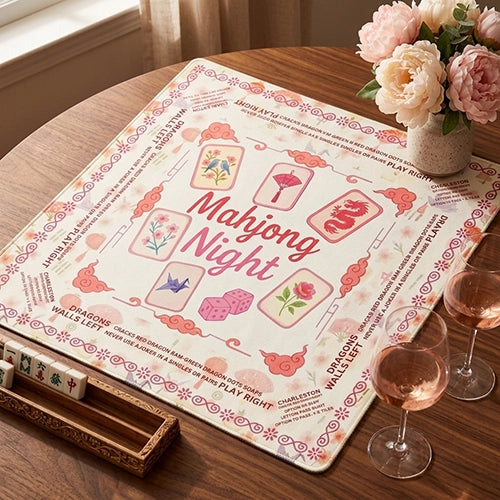
ALOXO Pink Floral Non-Slip Mahjong Mat
Protect cherished tabletop surfaces while reducing tile clatter to an elegant, satisfying murmur. Features non-slip textured backing that lays completely flat straight out of the storage tube without creasing or bunching.
DAMPENS NOISE, ELEVATES STYLE
VIEW PRODUCT DETAILSFrequently Asked Questions about rules for picking up 14th tile (FAQs)
- How does the dealer start with 14 tiles in American Mahjong? - The dealer receives their fourteenth tile directly from the initial wall distribution at the very end of the deal. This starting hand size is standard under official league regulations, eliminating the need for the East player to draw a tile on their first active turn of play.
- Does the dealer draw a tile on the very first turn? - No, the East player does not draw a tile on the opening move of the game. Because they already hold fourteen tiles from the initial deal, the dealer begins play immediately by evaluating their hand and discarding their first tile to start the match.
- Can the dealer call Mahjong immediately upon receiving the 14th tile? - Yes, if the dealer starting fourteen tiles form a complete, valid hand under official rules, they can declare an immediate win. This exceptionally rare and prestigious opening win is commonly referred to as a Heavenly Hand or a self-drawn starting win.
- How much time is the dealer allowed to sort their initial hand? - Most casual clubs and official league tournaments allow the East player up to sixty seconds to sort and evaluate their starting hand. This reasonable time limit maintains a lively table pace while giving the dealer enough time to organize their strategy.
- What happens if the dealer draws a 15th tile by mistake before discarding? - If the dealer mistakenly draws a fifteenth tile before making their first discard, their hand is immediately declared dead for holding